Warning: Undefined array key "url" in /home/telkowar/public_html/wp-content/plugins/seo-by-rank-math/includes/modules/schema/snippets/class-author.php on line 41

Telkoware

How Digital Marketing can help you grow and boost your business in 2023?

digital marketing company

With the shift and growth of current technology, small and medium-sized enterprises make every effort to stay up-to-date with latest technology trends. In order to capture a booming and extremely profitable online industry, brick-and-mortar enterprises are either transforming their business models to an online one or beefing up current marketing initiatives with digital marketing methods with assistance from an internet marketing agency.
Even if you get a lot of daily web traffic to your website and blogs, it will only be useful once it converts to leads or purchases. Digital Marketing tools and approaches give business owners the best opportunities for competitiveness, survivability, and even business development in the digital arena of the business industry.
Digital Marketing also allows you to reach a worldwide audience online. If you have not jumped on the digital marketing bandwagon yet, you are missing out on a lot of opportunities. But it’s not too late! Here is a detailed overview of how digital marketing can grow your business in 2023 and how hiring a digital marketing company can be a worthwhile investment.

What is Digital Marketing and how it can benefit you?

digital marketing company
We can no longer imagine marketing without considering digital. Nowadays, a corporation cannot rely solely on traditional marketing (events, public relations, television, radio, etc.). Every organization has hired a skilled internet marketing company to reach a wider audience. Digital marketing encompasses all approaches and procedures for promoting a business or product using digital media. Digital marketing is omnipresent, and there are several digital marketing channels used by every internet marketing company, including:

  • Websites (merchant site, blog, etc)
  • Social Media Marketing
  • Optimization for Search Engines (SEO)
  • Advertisement on Search Engine (Google Pay-per-click ads)
  • Outbound Marketing (content marketing, lead nurturing and online sales funnels)
  • Mobile App Marketing
  • Referral Marketing / Affiliate Marketing
  • Email Marketing

Hiring a reliable online marketing company is important for increasing brand awareness online and introducing your products or services to your target market. It’s also an excellent opportunity to engage your potential consumers.

Why is Digital Marketing important for your business?

internet marketing agency

So, why should you focus your efforts on Digital Marketing?
To begin with, Digital Marketing is available to all organizations, regardless of size or sector. Also, controlling the costs of a digital marketing strategy is significantly easier, unlike traditional marketing methods. Also, calculating ROI, or “Return on Investment,” is much easier by using analytics tools on a website or metrics on social networking sites.
Furthermore, whether you have just launched a firm or want to try out a new product portfolio, effective digital marketing by a good digital marketing company enables you to do it rapidly. You don’t even need a real product to gauge public response to your idea. All you need is the main landing page and a marketing plan. Online marketing enables you to be quite particular about who sees your ads. The internet helps you widen your geographic range so your product can be discovered by anybody at any time.
Your clients have never been so connected to you on social media. It enables you to create a community focused on your products and services. Customers can communicate with you through interactions on your posts or through the usage of private messaging. You can request their feedback on your offer or the quality of new product. The relationship between the client and the firm has been fundamentally revolutionized using social media and internet marketing.

Top ways of how Digital Marketing helps you grow your business

digital marketing

Companies are remaining current as the spectrum of digital marketing technology increases by adding online components to their brick-and-mortar businesses or combining multiple digital marketing methods to build an internet presence. Since the majority of consumers use smartphones and conduct product research online before purchasing, digital marketing techniques are critical for businesses. However, businesses all over the world utilize digital marketing to more effectively target their clients online and are experiencing a strong return on investment (ROI) as a consequence of their digital marketing agency’s efforts. Here are the top ways of how digital marketing can tremendously help you grow and boost your business in 2023.

1. Digital marketing evens up the playing field online

Long gone are the days when company owners welcomed the thought that Digital Marketing was solely for multinational organizations and major corporations with the means to undertake an internet marketing campaign or hire a digital marketing company. Digital marketing truly levels the playing field, allowing small and medium-sized businesses to compete with the big players and get their fair share of targeted visitors. Small businesses now have the tools to undertake sales and marketing strategies that were once only offered to major organizations thanks to digital marketing. A small firm may take help from an internet marketing company and effectively communicate with various clients without a contact centre, even if they do not have physical store outlets or offices in these locations.

2. Interaction with Targeted Audiences is Made Easier

The ability of Internet marketing tools to communicate and interact with targeted consumers in real-time is among the reasons why online marketing is overtaking traditional marketing methods. Customers want to be engaged in some way when they connect with your brand or business. How your company works with an online marketing company and manages such encounters, interactions and relationships will determine whether it succeeds or fails.
Interacting with your clients and giving them with appropriate interaction points may provide you with information about what your target audience wants. This crucial information will guide your digital marketing agency to the proper set of next steps, providing your consumers with an even better experience and creating good relationships with them, earning their loyalty and faith that you will need to grow your business.

3. Digital marketing is way less costly than traditional marketing

If you’re still unsure about the value of digital marketing, consider how much money it may save your company. Traditional marketing strategies are no longer effective with today’s customers. They are a lot more informed and self-reliant in seeking information by doing research through various means. As a result, earlier broadcasting approaches are increasingly being tuned out. These earlier approaches are also substantially more costly. Consider the cost of a promotional campaign in a magazine or the expense of a television commercial. Take into account how clients may turn the page or change the channel.
Digital marketing tactics by a result-driven internet marketing agency are more effective and less expensive. An online ad spot costs substantially less than a typical TV commercial. It pays off big time if you invest in the proper keywords. Some types of internet marketing are even free. A publication on your Facebook page or Twitter feed does not have to be expensive. In summary, a digital marketing plan can put money back in your wallet. These profits can then be used to support additional projects for your company as it grows.

4. Conversion rates are significantly improved

digital marketing agency

Businesses that promote products and services online assess performance by the percentage of incoming visitors that convert to leads, subscriptions, or purchases, depending upon the primary objective of Digital Marketing campaign. Without conversion, all of your traffic is meaningless, and all of your marketing initiatives are futile. That is why company owners are shifting their digital marketing operations to prioritize conversion optimization above everything else. Search Engine Optimization, social media marketing, and email campaigns are just a few of the tools and tactics your digital marketing company may employ for your digital marketing strategy.
Email marketing allows you to send tailored offers to current consumers. Higher conversion rates are a result of improved consumer experiences, more brand awareness, and enhanced loyalty. Happy customers return to stores more frequently and make more purchases. They may even become brand ambassadors. Digital marketing provides the ideal balance of information, assistance, and reward. Customers are encouraged to click through and check out with their shopping baskets.

5. Digital marketing can boost your revenue

Even though brand awareness and consumer loyalty is important, the most important goal of marketing is to boost sales. However, with digital marketing, it is easy to draw the link between your efforts and increased sales and earnings. In essence, it is simpler to demonstrate your return on investment.
However, marketing through digital media does more than just make it easier to demonstrate ROI. It also improves and boosts ROI. Digital campaigns are less expensive and more effective than traditional advertising. You may reduce your budget while still expecting to achieve same or higher results. It only makes sense to adopt marketing tactics that have been proven to increase sales, when you are looking to grow your business in the upcoming year.

6. Digital marketing will build and enhance your brand reputation

digital marketing agency

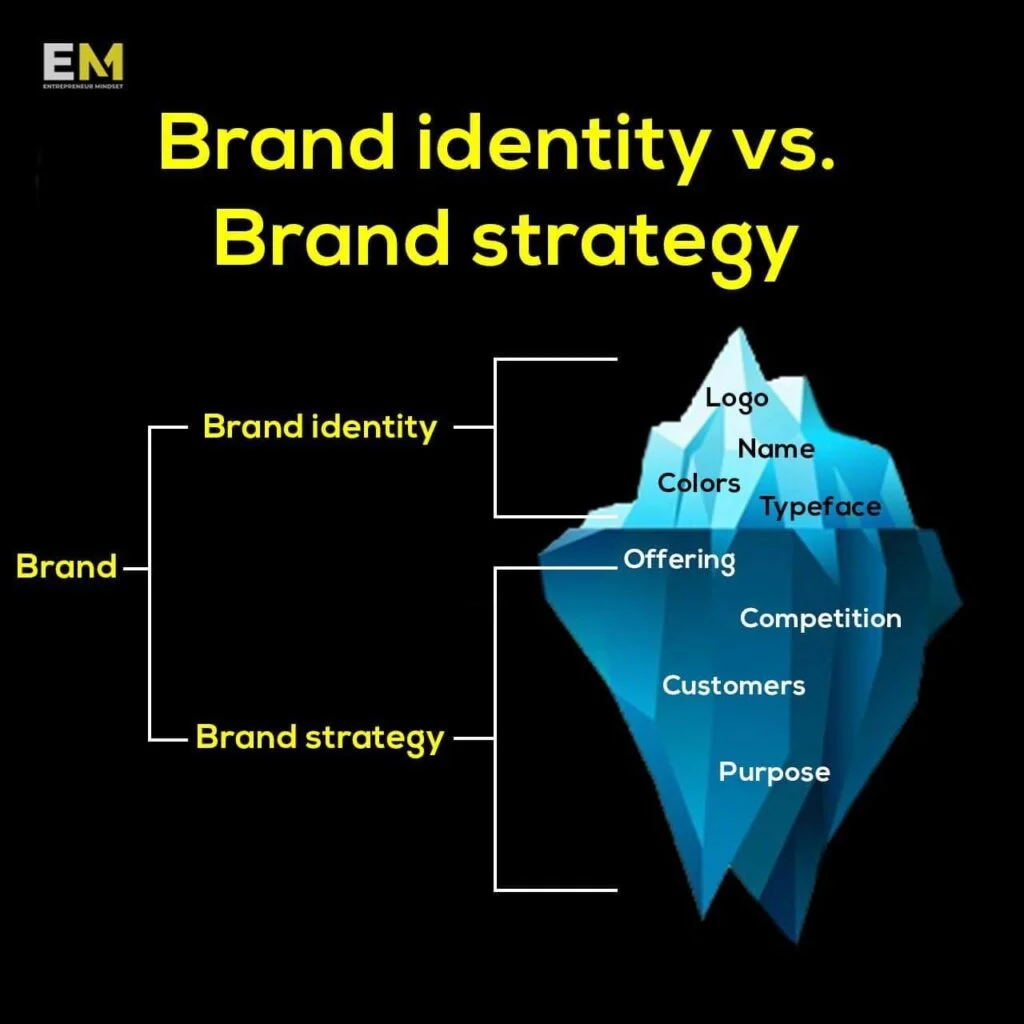
Businesses are scrambling to distinguish themselves in today’s hyper-competitive market. If you look at any firm’s social media pages or website feed, you’ll see that they’re attempting to develop a brand identity and conveying it through different Digital marketing avenues. Your brand is your promise to your customers; whether it is quality and reliability, cutting-edge technology, time to market, delivery options, variety and customization, or something else. Delivering on your promises can help you create a stronger relationship with your intended audience and convert them into paying and loyal customers.
This will help your brand’s reputation since happy consumers will most likely tell others about their experience with your company and its products. Your brand’s reputation will spread as planned, offering you new avenues for accessing more customers in other target markets.

7. Your business can go global with digital marketing

The Internet and other technology have brought the world together more than ever before. Your consumers might be in your hometown, but they could also be on the other side of the world. How are you going to reach out to those prospective clients in other markets? Previously, you had to purchase local media such as radio commercials or billboard advertisements.

That is no longer the case thanks to digital marketing. You may tweet about your online sale to reach customers all over the globe. A blog post may appear in search engine results for someone in the United States, Australia, or even Korea. There is no need to wait to join this or that industry with a digital marketing plan. You may sell to clients anywhere in the globe if you have an online store and provide international delivery. Digital marketing lets them know you’re willing and prepared to do business with them.

8. It aligns and is compatible with modern customers

When it comes to knowing today’s consumers, you must be informed of how they purchase. Digital marketing corresponds to how individuals currently choose to obtain product information. While on their smartphones, most people browse social media. Advertising on these networks just makes sense. It gives you the ability to go where your clients are. Boomers may be reached on Facebook, business executives on LinkedIn, and Millennials on Instagram.
You may also use internet marketing company tactics to assist them in discovering your products. Many individuals believe that social media influencers will inform them about the latest trendy products. Others will look at Google My Business reviews. Some will watch how-to videos, read articles, and do other things. These are all digital marketing channels. The appropriate plan by a reliable online marketing company may assist you in delivering exactly what your audience desires, how they desire it, and when they desire it.

9. Digital marketing improves customer experience

One function of digital marketing is to assist in providing a better client experience. Some digital marketing methods help people reach your website. SEO and PPC efforts, for instance, assist your audience in finding you. As a result, they will have a simpler time finding details about your products or offerings.
Some forms of digital marketing make it simpler for clients to ask inquiries. For instance, social media networks allow you to reply to client queries instantly. A blog enables you to share your knowledge and insights. You may even customise offerings with the correct digital marketing approach. What could be better than receiving a discount voucher for a desired product delivered to your mailbox? Digital marketing has the ability to make that happen.

Best 6 Digital Marketing Tools to grow your business

Because of the internet’s prominence and extensive reach, digital marketing is the most important and effective way to provide your brand meaningful exposure. Internet marketing agencies employ a variety of online platforms and technologies to assist you in developing and managing great content that will promote your brand engagement. These top digital marketing tools will also make it easier to identify and approach your target demographic. They include social media advertising, email marketing tools, web analytics, and content production software, among other things.

1. Google Analytics

google analytics

Google Analytics, a free analytical tool, demonstrates Google’s dedication to assisting start-ups and small businesses. Despite its sophisticated design, it is simple to master and quite useful for evaluating your audience’s activities with your webpage. Google Analytics is the best tool for monitoring the performance of your website. For instance, you may discover your most frequently visited web pages, your top traffic stream, and specific data (views, page time, and bounce rates) relating to your blog entries.

2. HubSpot

hubspot

HubSpot is one of the most popular digital marketing and Customer Relationship Management (CRM) platforms, since it combines CRM and marketing in one location. It helps you attract new consumers while also providing a channel for finalizing your business deals. This application can also be used for content curation, website development, analytics, marketing automation, and online reputation management, all of which can help you expand your business to new heights of success and generate more income.

3. Mail Chimp

mailchimp

Email marketing is typically the best technique for many businesses when it comes to staying in touch with clients or informing them about new offerings or product launches. Mailchimp assists you in reaching out to potential consumers via email marketing. It provides a free bundle of 2000 contacts, excellent customer service, and several integration possibilities with different business systems. You may also run A/B test campaigns, build audience groups, and plan emails ahead of time. These are just a few of the many things you can accomplish using Mailchimp.

4. Hootsuite

hootsuite

To reap maximum benefits of your social media pages, you have to monitor their effectiveness as well as progress and pivot your social media marketing strategy accordingly. Hootsuite can assist you in accomplishing this goal: It monitors product or service mentions, ROI, content effectiveness, and other metrics. It also allows you to plan and save posts across different platforms.

5. Google AdWords

google adwords

Google AdWords is a paid advertising tool for businesses that want to reach their intended audience through Google’s search engine results page. Advertisements are shown in search results based on the keywords entered by users. These advertisements are linked to your website. So anyone who clicks on them are re-directed to your website. You may pick between pay-per-call and pay-per-click options.

6. SEMrush

semrush

SEMrush is one of the most popular SEO tools and a must-have to grow your business online in 2023. It provides a platform for you to locate content, perform SEO, manage Pay-per-click campaigns, run social media campaigns and provides valuable data on keyword searches and rankings. You may choose from its large selection of plans and costs. Many of the accessible tools contain keyword research tools, a backlinks analyzer, and other features.

Final Thoughts

Digital marketing has drastically transformed how businesses engage with their consumers and how customers find a brand with which to do business. As more and more businesses go digital, the influence of digital marketing on business development will only expand. A company’s capacity to engage with existing customers and discover new ones is significantly hampered if it does not have a good digital presence. A lack of a digital presence also contributes to a lack of trust in the company.
However, if a business adopts a good digital marketing plan made by a competent internet marketing agency that includes areas like social media, SEO, PPC, and content marketing, it may have a significant influence on a brand’s bottom line and help the business develop its online brand and sales growth rapidly.
Your digital marketing relies on an effective inbound marketing strategy that is powered by content marketing and is supported by marketing automation. Hiring a digital marketing agency to implement the marketing plan with your vision can help you achieve your business objectives.

If you aren’t sure from where to start or what to do next, feel free to reach out to our Digital Marketing specialists for a free consultation at info@telkoware.com OR (437)223-1771.

20 Digital Marketing Resources to promote your brand and grow sales

digital marketing resources

Digital marketing is nothing but the act of promoting services and products via a wide range of digital channels. This might include Search Engine Optimization, social media, Google ads, content marketing and email marketing. Also referred to as online marketing, digital marketing is crucial for building brand awareness and recognition.

Most companies focus on building their official website to drive sales and attract engagement. Their digital ad strategy, accompanied by social presence, allows business firms to reach new heights and hit significant goals. As a business leader in this competitive and volatile market, you can now choose to implement different tactics and strategies on a budget.

Unlike traditional marketing, digital marketing will certainly not break your bank. Gone are the days when business owners had to suffer from major pocket pinch, all thanks to these Digital Marketing techniques. If you are currently looking for some Digital Marketing resources, you have indeed come to the right place. Stay tuned till the very end of the article, and you will be able to uncover a plethora of marketing resources in no time. Let’s dig deeper without any further delay!

1. Facebook Blueprint

digital marketing resources

As you already know, Facebook is one of the leading social media platforms that enables you to stand out among the huge pack. This is why developing a sound knowledge about this platform and honing your skills are extremely important. Facebook Blueprint is a digital marketing resource that comes well-equipped with online certifications and training programs. It will help you to improve your ad campaign in the best possible manner.

2. ZillionDesigns

ZillionDesigns is a versatile design and crucial digital marketing resource in your arsenal as a professional. With the help of ZillionDesigns, you can hire expert graphic designers to create professional logos, images, posters, banners, etc., with utmost ease. You can run any type of design contest that you like and get to work with lots of designers at the same time. The never-ending options will definitely give you plenty to choose from. It is quite evident that community-based designers are better options than individual ones.

digital marketing resources

3. Grammarly

grammarly

Proofreading your content has never been easier before! All you need to do is install Grammarly on your desktop or laptop, and that’s it! It will remove unintentional typos and grammatical errors seamlessly. As a result, you will get access to better quality content. 20 million users use Grammarly on a regular basis for their business purposes.

4. MetaHashtags

In order to boost your clientele base through social media, using hashtags is a must. It will allow you to draw traffic without putting much effort into the process. This is why you can rely on MetaHashtags without any second thoughts. This digital marketing resource will provide you with the right kind of combination for your social accounts, such as Instagram posts.

5. Hubspot Academy

Hubspot Academy is another amazing resource for your digital marketing certifications and online tutorials. Some of their famous courses include:
● Digital advertising
● Developing efficient workflows
● Developing a social media management strategy
● Effective email marketing for ecommerce sites
If you are looking forward to refining your content marketing strategy without breaking your bank and loosening your wallet, choosing Hubspot Academy might be the best bet!

digital marketing resources

6. Tiktok

While most people consider TikTok as a platform to showcase their dancing and acting skills, you can also use this resource to serve your marketing purposes. You can choose to follow some of the marketing professionals and experts, thus grabbing their tips in the best possible manner. By creating engaging and entertaining posts, you will be able to rule the business world seamlessly.

digital marketing resources

7. Keywords Everywhere

As a digital marketing professional, you definitely understand the massive importance of keywords in your official websites and written content. However, figuring out the perfect keywords can be extremely time-consuming. With the help of Keywords everywhere, you will be able to get access to a list of related keywords.

8. Hemingway Editor

Hemingway Editor will allow you to write effective and precise content within a short span of time. By enhancing the overall readability, this digital marketing tool will pave the way toward clear and bold write-ups. It is a user-friendly option that will fulfill your expectations, needs and requirements.

digital marketing resources

9. Unsplash

It’s okay if you are unable to invest in licensed images or brand photography. Unsplash is one of the best digital marketing tools that come with stock images and royalty-free pictures. These visuals will definitely complement your marketing efforts and are easily searchable.

digital marketing resources

10. Sprout Social

With Sprout Special, you can now streamline your social media posts with utmost ease. This digital marketing resource will make sure to plan, publish and report your updates without any delay or room for errors. It comes with management integrations for Instagram, Facebook, LinkedIn etc.

11. HubSpot

hubspot

HubSpot has nearly 113,925 customers from more than 120 countries. The blogs offered by this undisputed leader in the digital marketing world are highly remarkable. You can pave your way toward their blog section since it is one of the finest places to grab the latest news. It will keep you updated with digital information and details.

12. WordStream

wordstream

It is a robust digital marketing tool that can be used for online advertising campaign management. From the latest big breakthroughs to niche local businesses, you will get access to various forms of search marketing right here.

13. Social Media Examiner

digital marketing resources

Social Media Examiner will enable you to rule Facebook, Twitter, and LinkedIn without getting exposed to any kind of risk factors. It is considered a champion digital marketing resource that will allow you to achieve success. By tracking the exciting and new things in the social sphere, Social Media Examiner will offer you helpful tutorials and insightful analysis.

14. MobileMonkey

It is a chat marketing automation tool that generates automatic replies to your customer’s questions, doubts and queries. Like this, you will be able to get in touch with your clientele base, thus developing a strong relationship with them.

15. Crazy Egg

With Crazy Egg, you can now take a step toward implementing website changes, thus generating desired results. This tool comes well-equipped with some the features such as:
● Personalization and targeting
● Mouse recording and heatmaps
● Integrations and platforms
● Reporting and analysis
● User feedback and research
Crazy Egg is an amazing resource for maximizing your leads and sales.

16. Hootsuite

hootsuite

If you are looking for a social media management platform, opting for Hootsuite might be your best bet. It will help you to manage several contents for Instagram, Facebook, YouTube, Pinterest and LinkedIn. You can also take care of scheduling content, generating highly visual reports and monitoring keywords.

17. MailChimp

mailchimp

MailChimp is considered an all-in-one marketing automation among a lot of other potential digital marketing resources. From creating custom email templates and managing your mailing lists to automating and nurturing your marketing campaigns, you can do it all right here.

18. AdZooma

If you want some kind of assistance with online advertising, you can consider choosing AdZooma. It comes well-equipped with intuitive advertising tools in order to optimize and manage Google, Microsoft Ads and Facebook in one place. You can also use its rule-based automation while dealing with your regular tasks.

19. Teamwork

Several digital marketing teams often use this project management software to serve a wide range of purposes:
● Execute marketing strategy
● Boost collaboration
● Improve team efficiency
● Track, plan and manage your marketing jobs
Teamwork will offer you project visualization for your entire team.

digital marketing resources

20. Asana

It is a work management platform which is exclusively designed to organize, manage and track tasks. You can now keep an eye on your company’s overall progress by using Asana.

digital marketing resources

Wrapping Up

These are some of the unparalleled digital marketing resources that can’t be overlooked under any given scenario. By using these tools, you can now ace the business world and keep slaying with ease!

10-Step Shopify SEO Process to rank #1 on Google in 2023

Shopify SEO

With thousands of eCommerce companies contending for first place in search engine results, the battle does not appear to be subsiding anytime soon. It is obvious that your Shopify eCommerce business must be configured for search engine results in order to rank at the top of the search results. Creating an aesthetically pleasing store is important to convert customers, but does not help bring more traffic.

Previously, rating your site on Google was simple. With limited competition, a website owner only needed to cram their website content with the relevant keywords, and everything else would fall into place. People ranked their websites at the top of search engines simply by adding lots of keywords into their pages or by purchasing backlinks. That era has long passed.

Google has imposed a penalty for keyword-stuffed webpages. Aside from that, Google’s ranking system is more sophisticated than ever. So merely putting a handful of relevant keywords is not enough. To optimise your website for search engine ranking, you must consider various on-site and off-site aspects. This Shopify optimization guide is for eCommerce business owners who want to rank first on Google. Let’s get this ball rolling.

What exactly is Shopify SEO?

Have you been wondering what exactly is Shopify SEO?

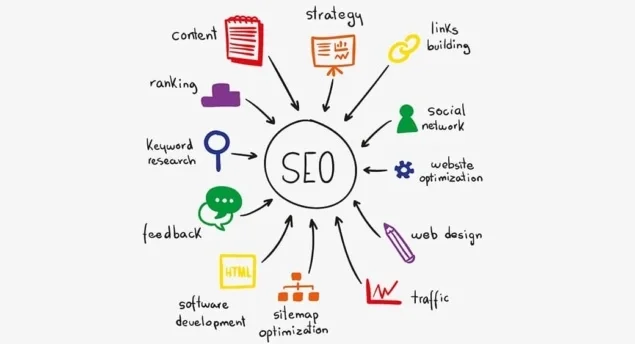
What is SEO?

Well, Shopify SEO is the procedure of optimizing your Shopify website so that it appears higher on search engine result pages (SERP). The more qualified prospects find your website on Google, the more revenue your business will generate. Organic search is among the most cost-effective and profitable strategies to drive traffic to your website. Based on comparison between all Digital Marketing strategies, SEO has the best ROI.

According to Google, 49 percent of buyers use Google to find new products. If you appear during these results, you will attract potential customers, who are actively shopping for your products. However, if you have a Shopify store, you have to do more than simply use conventional SEO techniques.

While Shopify platform includes basic SEO options out of the box, they are not enough. For having the best chance of ranking on top of search results, you have to check off all boxes. Shopify also presents unique SEO issues, such as duplicate content or bulky plugins that slow down website speed. If you want to boost your chances of SEO success, you need to be aware of these issues and customize your SEO approach accordingly. That’s where Shopify SEO comes into play.

Shopify SEO refers to a collection of modifications aimed to optimize Shopify stores for search engines such as Google and Bing. By following the 10 simple steps listed below, you have the best chance of being on top of search engine rankings.

shopify SEO

Shopify SEO Steps to rank #1 on Google

1. Site Structure and User Experience Optimization

shopify SEO

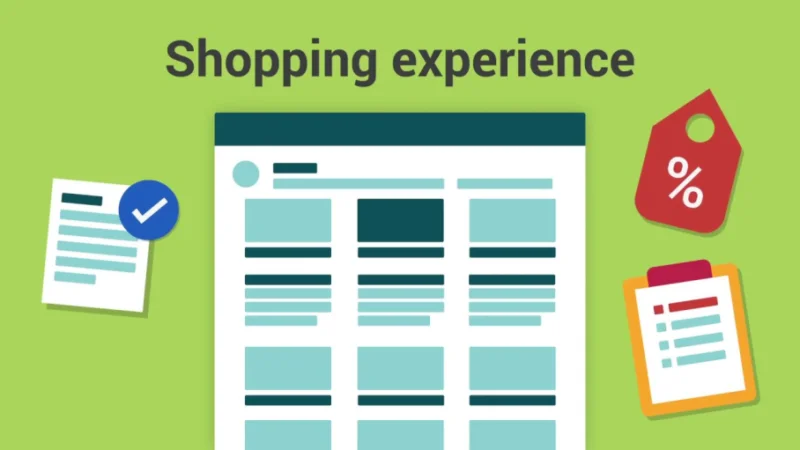
To get started with Shopify SEO, we’ll start with site structure and user experience (UX). The reason is that at the end of the day, your consumers are the ones who buy your items. So the e-Commerce store needs to look good and be user-friendly. This entails developing a basic navigation system that is straightforward for consumers to utilize. Customers are the heart of any digital product, and a great UX design guarantees that they have a pleasant experience when shopping on your website.

With so much time spent online these days, it is critical that consumers can navigate easily through different pages, product collections, and product pages. This allows the user to locate not just what you’re offering, but also who you are and any other relevant information about your shop. The better the user experience, the more probable it is that users will stay on your website and make purchases.

Providing an excellent user experience (UX) is critical for every Shopify shop. After all, consumers are less likely to remain on your website and buy the product if it is complicated to browse or looks terrible on multiple devices. It is also beneficial to collaborate with a Shopify SEO agency to get the best results.

2. Connect with free Google Tools

When Google gives you free yet effective and powerful tools, why not take advantage of them?

The second step is to ensure that you have Google Analytics and Google Search Console installed and linked to your Shopify website. All online businesses who are serious about search engine optimization should register their site with Google Search Console and Google Analytics. You are informing the Internet universe (metaphorically speaking) that this website exists, which will assist it in ranking better in SERPs (Search Engine Results Page). Google Analytics and Google Search Console are some of the most essential Shopify SEO expert tools. They give you important data about your site’s activity and effectiveness in search engine results (SERPs). Here are some relevant details on both of them.

● GOOGLE ANALYTICS
Google Analytics is significant for SEO since it gives details on your site’s traffic sources, time on page, bounce rates, and which pages your customers are visiting. Google Analytics can also be configured to track ‘add to carts’, ‘transactions’, and so much more.

Log into your Google Analytics account and choose “Admin” at the top to connect your Google Analytics account to Shopify. Choose “Tracking Code” from the “Tracking Info” menu. Log in to your Shopify store and copy your code. Select the Google Analytics area under Preferences:

To finish your Google Analytics installation, paste your tracking code into Shopify’s “Google Analytics account” section. Google Analytics should be activated once you’ve properly entered your international site tag to the Google Analytics account box. You may then enable eCommerce tracking to get more purchase and income statistics about your website.

If you are looking for a step by step guide, here’s a detailed article:
https://help.shopify.com/en/manual/reports-and-analytics/google-analytics/google-analytics-setup

● GOOGLE SEARCH CONSOLE:
Google Search Console is useful for SEO since it informs you about your site’s presence in Google search results. It shows you how frequently your site displays in search results, what searches prompted it to emerge, and how much traffic your site receives from Google searches. This data can assist you in determining which keywords are doing well for you and which require work. It may also assist you in identifying any possible problems with your site that may be affecting its appearance in Google search results.

Sign in to your google search console account and open the property selector dropdown menu. From that menu, click add property and choose the type of property to add.

3. Submit sitemap to Google Search Console

If you are just starting out with Shopify, the first thing you should do is submit your sitemap to Google Search Console. A sitemap.xml file is generated dynamically for all Shopify stores. All of your products, pages, photos, categories, and blog entries are linked in a sitemap.xml file. Sitemaps are used by Google and other search engines to crawl your Shopify store’s webpages so that they appear in SERPs.

conversion web design

While search engines can explore and evaluate your business on their own, there is no certainty when they will do so. Posting your sitemap to Google Search Console ensures that Google, which controls 87.35 percent of the search engine market, can locate your store’s web content. Here are the specific methods for locating your sitemap, integrating Search Console into Shopify, and submitting your sitemap.

  • First, locate your sitemap. The sitemap for your Ecommerce store can be located at yourstore.com/sitemap.xml.
  • When you add or delete items from your site, Shopify’s sitemap dynamically refreshes. Make sure your site is not password secured in order for Google to scan and analyse it.
  • Following the discovery of your Shopify store’s sitemap, Google Search Console verification follows. This validates that you are the legitimate owner of the shop before GSC allows you to use their services.
  • Go to Google Search Console > Settings » Ownership verification » HTML tag and copy the meta tag, Including the angle brackets in the meta tag.
  • Navigate to Online Store » Themes in Shopify.
  • Find the theme you wish to change, then go to Actions » Edit code.
  • Click theme.liquid in the Layout tab to open the file in the code editor.
  • Copy and paste the meta tag underneath the opening head> tag on a blank line.
  • Then click the Save button.
  • It is now time to submit your sitemap to Google.
  • Go to Google Search Console » Sitemaps to get started.
  • Simply type sitemap.xml in the field box and click SUBMIT under the Add a new sitemap area.
  • Google typically takes four days to one month to begin crawling your website.

4. Website Speed Optimization

Nobody loves slow loading and sluggish websites so website speed optimization is a must!

Google specifically says that Page Speed and Page Experience are important ranking factors. Users are less inclined to browse on your website and place an order if it is sluggish. There are various ways to improve the performance of your Shopify store’s website.

As per SEMrush, “if your website displays in 2.9 seconds, it is quicker than about 50% of the internet.” If your website loads in 1.7 seconds, it is quicker than over 75% of the internet. If your website displays in 0.8 seconds, it is quicker than nearly 94% of the web.”

ecommerce-website-5

Using a cache plugin is one technique to improve the performance of your website. A cache plugin accelerates your site by storing a duplicate of your web pages and documents so that they may be viewed faster. Another technique to improve site speed is to reduce picture sizes to 100KB or less. Compressing your photos minimizes their file size, which increases the speed with which your websites load.

Browser caching is another technique for speeding up your site. Shopify will already have your platform’s inner contents cached by default. This implies that you might have some of the material, such as pictures, JavaScript, and CSS, securely stored within consumers’ web browser, which they will be able to view quicker from a single visit instead of requiring all new downloads each time somebody else views this same resource in their searching session—saving a great deal of broadband!

5. Keyword Analysis and Targeting

shopify SEO

One of the most critical things to do when optimizing your website for SEO is to study keywords and see which one’s customers are looking for on Google. You have two possibilities for doing so: You may use a free application like Google’s Keyword Planner, or you can use paid tools like SEMrush, aHrefs, or Moz. Once you’ve decided on which terms to target, make absolutely sure your site’s meta titles and descriptions are optimized for those keywords. You may also utilize them into your article to assist increase your SERP rankings.

6. Slug Optimization

The slug is the part of the URL that follows the domain name. Slugs are significant for SEO since they are among the elements that Google utilizes to assess how related a website is to a specific keyword. To optimize your slugs, add your target keyword as near to the beginning as feasible and make sure it appears in the title tag as well. Both search engine crawlers and users will be able to grasp what is on a particular page if URL slugs are pleasant and easily readable. It’s like giving each web page a name tag!

7. Optimization of Images

image optimization

Pictures are all the buzz right now. From websites to social media sites, they rule the digital media!
Pictures are also vital in every eCommerce website since we need to be able to present what consumers are looking to buy! However, photographs may use up a lot of space. So it’s crucial to optimize them for speed by shrinking their image size as much as possible without sacrificing quality. There are two most common ways of using images to help with SEO efforts:

● COMPRESSED IMAGES:
Compression is the practice of lowering file sizes in order to facilitate more storage and faster speed. There are two techniques to lower the size of your pictures: Lossless compression decreases the size of photographs without removing any data, allowing them to take up less space without compromising on image quality. Lossy compression is where you may lose resolution but have to trade-off between quality choices such as “lower” options, which keep more colour fidelity than higher-quality alternatives while still obtaining decent file size reductions.

Returning to the topic of site performance, image compression does play a role in site speed, which, as previously said, is another aspect that determines how highly your site appears in search results pages (SERPs).

● ALT IMAGES:
Including alt text to your photographs is an excellent technique to boost the SEO of your website. It not only assists you rank better in search results, but it also assists your viewers comprehend what’s on the website if the image doesn’t load correctly. You may increase your rating even further by including keywords in your alt text. Use meaningful alt text for all of your photos, and remember to incorporate your target keywords wherever feasible.

8. Product Page and Title Optimization

Product pages are one of the most significant components of any eCommerce website since they are what visitors view when they land on a product listing in the Google search results page (SERP). To ensure that these product pages stand out from the crowd, they must be optimized for both SEO and usability. A smart method to achieve this is to use header tags appropriately and write meta descriptions that describe what people will find when they click on it by searching through the website.

The header tags show at the head of a website page and often feature your site’s title or logo as well as any key data about your items or services. With Shopify, you may select from a number of pre-made headlines, such as the headline for your shop and web pages. Shopify sets the default tag as your H1, but you can also use H2 through H6 tags to signify different parts inside a post or page on Shopify.

These should be utilized appropriately so that search engines understand where each part starts and finishes, as well as so that people can easily locate what they’re searching for on different pages. Basically, header tags are utilized in the same way that opening paragraphs are to designate what the next part of body content will be about.

9. Content Creation and Marketing

So far, we’ve discussed a lot about on-page SEO, but what about getting quality traffic to your store via informative and insightful content?

Well, among the most successful ways to drive visitors to your website is through content marketing. You may produce more revenue by obtaining your visitors’ information and persuading them to subscribe to your email campaign by generating high-quality content that is relevant to your target demographic. Many online shops underestimate the benefits of an eCommerce blog. A blog may not only boost conversions, but it can also help to develop trust and loyalty with prospective future consumers.

A successful eCommerce blogging approach will increase brand recognition while attracting new readers who may ultimately become devoted customers.
One of the most essential benefits of blogs for an eCommerce company, believe it or not, is the opportunity to create more visitors from organic searches. You can produce long-form content that ranks on Google by providing high-quality material that is relevant to the audience.

You don’t want to upload your blog content all by yourself. Your blogging should be part of a larger content marketing strategy, so that your marketing strategy is not just focused on blogs, but rather complements the broader marketing approach with improved social media content and email marketing activities. For a real multichannel marketing strategy, your content should be cohesive and compliment well together to attract visitors from all channels.

10. Quality Link Building

The practice of obtaining connections or links from other domains to your own is known as link building. To establish the rating of each page, search engines scour the internet and look at the connections between websites. The more high-quality backlinks your site has referring to it, the better it will appear on search engine results pages (SERPs).

Internal links also help PageRank move across your site. Simply said, the greater a page’s PageRank, the more internal links it has. However, it is not only about the number; the quality of the link is also important.

link building

You may obtain links for your eCommerce business through a variety of link-building approaches such as content creation, guest blogging, directory uploads, and social networking outreach. Guest posting on high-authority publications is among the most efficient strategies to create high-quality links for your eCommerce company. The technique of producing a blog article for another website and putting a link back to your own is known as guest blogging. This will not only assist you in developing high-quality links, but it would also assist you enhance traffic and business exposure.

Adding your website to internet directories is another excellent technique to create high-quality backlinks for your eCommerce company. Sites that permit companies to include their website or company in a directory of relevant websites are known as online directories. You may add your eCommerce shop to a variety of internet directories, including Google My Business, Bing Places for Business, and Yelp.

Another wonderful technique to create high-quality backlinks for your eCommerce company is through social media marketing. You may forge friendships with other company owners by contacting them on social networking sites and working on content initiatives. This will help you get high-quality backlinks for your page.

Final Thoughts

That concludes the most effective step-by-step Shopify SEO expert guide to take your eCommerce website to the top of search results. Shopify has numerous SEO-friendly capabilities out of the box, but there’s so much more you can do to improve your ranking. While SEO depends on keywords, getting your website to rank higher requires more than merely scattering some keywords into your website and content. Follow the procedures outlined above to thoroughly optimize your Shopify site and generate more organic visitors in order to rank better in search results. Also, try to contact a good Shopify SEO agency to get the best possible result of your SEO efforts.


Frequently Asked Questions

Is Shopify SEO friendly?

Shopify is not only an eCommerce website creator, but it is also a superb SEO system that is filled with a number of tools that will help your website rank better in search results pages. It is also an SEO eCommerce platform for individuals who operate online stores.

How should a Shopify website be optimized for search engines?

There are several techniques to SEO a Shopify website, such as content optimization and organization, enhanced user experience, top SEO plugins for Shopify, focused keywords, link building, and so on. Choosing the finest Shopify product tags SEO also helps you reach your objectives.

How critical is SEO for my Shopify store?

Higher ranking is extremely vital for your Shopify business, as it will drive more customers to your website. Since those customers used specific keywords on Google and found your website, they are looking specifically for your products. Now it is just a matter of converting that visitor into a customer via product details and user experience. So you must ensure that the website is fully optimized for SEO.

Is Shopify SEO different from regular e-commerce SEO?

No, it is not any different from standard e-commerce SEO; both operate under the same set of principles that is defined by Google. Because Shopify SEO is simpler than that of other e-commerce sites, we recommend that you select the finest Shopify SEO expert for a higher position in no time. Indeed, as per a recent study on the best eCommerce platform for SEO, WooCommerce and Shopify rank first and second, with 97 and 98 points, respectively.

Do You Recognize these 9 Warning Signs of Website Branding?

website-branding

Having a great website is essential to having a successful online business. This is because your website is often the first interaction that potential customers have with your brand. If your website is poorly designed, it can reflect negatively on your business and drive away potential customers.
However, designing a beautiful website is not a surefire way to guarantee success. The correct website branding needs to be in place in order to attract and retain customers.
The bad news is, that many businesses make branding mistakes that can hurt their website’s performance. In this blog post, I will explain 9 warning signs that your website might be in need of a rebrand.

1. Website Doesn’t Reflect Your Brand

Your website brand is more than just your beautifully designed logo. It’s the entire experience that your customers have with your business; from purchasing your product or service to obtaining after-sales support.

website-branding

If your website doesn’t reflect the values and essence of your brand, then it’s time for a rebrand.
For example, let’s say that you own a luxury watch company. Your website should convey luxury and sophistication. If your website is cheap-looking and cluttered, it will give customers the wrong impression of your brand.
On the other hand, if your website is too flashy or busy, it can also turn potential customers away. The key is to strike a balance that reflects the style, value, and quality of your product or service.

2. Your Website Is Outdated

website-branding

An outdated website can make your business look old-fashioned and out-of-touch.
If your website is more than a few years old, it’s probably in need of a refresh. This is because web design trends change rapidly. What was once considered cutting-edge can quickly become dated in just a few years. New designs, layout, and style are being adopted quicker than ever.
Additionally, older websites are often not responsive, which means they’re not optimized for mobile devices. With more and more people using their phones and tablets to browse the internet, it’s important that your website is accessible on all devices.

3. You Don’t Have a Clear Message

Your website should have a clear message that is consistent with the messaging in other marketing and sales channels.
If potential customers come to your website and they’re not sure what your business offers, then you have a problem. Your website’s job is to clearly and concisely explain what you do and why someone should buy from you. It needs to set your business apart from your competitors.
If your website is confusing or doesn’t deliver a strong enough message, then it’s time for a website rebrand.

4. Your Website Is Hard to Navigate

website-branding

A well-designed website should be easy to navigate. Users should be able to find what they’re looking for without any difficulty.
If your website is hard to navigate, it will frustrate potential customers and cause them to leave. This is why it’s important to have a clear navigation structure that is easy to understand.
Your website should also be designed with the user experience in mind. All of the elements on your website should work together to create a seamless experience for the user.
If your website is difficult to navigate, it’s a sign that you need to invest in a new website design.

5. You’re Not Getting Results from Your Website

At the end of the day, your website should be generating leads and sales for your business. If it’s not, then something is wrong.
There are a number of reasons why your website might not be performing. It could be that your website is poorly designed, or that it’s not being properly promoted.
If you’re not getting results from your website, it’s a sign that you need to reevaluate your strategy.

6. Your Website Is Not Secure

website-branding

In today’s day and age, security is more important than ever. If your website is not secure, it could put your business at risk.
There are a number of security risks that you should be aware of, including viruses, hackers, ransomware, phishing and malware. These threats can damage your website and put your customers’ information at risk.
Protecting your website with SSL/TLS encryption is essential for keeping your website secure. Your customers should be able to trust your brand.

7. You Don’t Have a Blog

A blog is a great way to connect with potential customers and build relationships. It also allows you to show your expertise and share valuable information with your audience.
If you don’t have a blog, you’re missing out on a valuable opportunity to connect with your customers.

8. Your Website Is Not Optimized for SEO

Another obvious sign of an outdated website is that it is not SEO-friendly. That means it is missing the key elements that Google uses to browse the website content and place it in its search engine ranking.
If your customers can’t find your website, they will go to your competitors. 63% of shopping occasions start online. This means that if your website is not optimized for search engines, you’re missing out on a lot of potential business.
Search engine optimization is essential for making sure your website appears in search results. Without it, you’ll be invisible to potential customers.
Make sure your website is designed with SEO in mind. This includes using the right keywords, having well-written content, creating backlinks, and inserting meta data for search engines.

9. Your website is not Mobile-Friendly

website-branding

Today, over half of internet traffic now comes from mobile devices. This means that if your website is not mobile-friendly, you’re missing out on a lot of potential business. Make sure your website is designed to be responsive and can be easily viewed on all devices.
These warning signs of website branding are just a few of the things to look out for when it comes to your website. If you’re seeing any of these signs, it’s time to take action and invest in a new website design.


Once you have reviewed your website and don’t see any of the 9 warning signs explained above, you can rest peacefully, knowing that your website is in good shape.
If you aren’t sure, drop us a note and we will happily review your website for FREE and provide our feedback with improvement recommendations.
You can reach us at anytime, at (437)223-1771 OR info@telkoware.com


Comprehensive guide to write an RFP for Website Design in 2023

RFP for website design-1

Are you thinking about revamping your out-of-date website, but don’t know where to begin?

Hiring a web design firm to create a new website or remodel an existing one might appear to be a daunting task even if you read hundreds of articles on how to hire the right web development company. Even though producing a Request for Proposal (RFP) for website design may seem daunting and tedious, it serves a variety of useful objectives. It can help you sort out your concepts and ideas for your new website and push you to address some topics that are usually better answered before you begin the redesigning job. A well-executed RFP process can assist you in comparing several qualified web design firms and precisely defining your goals.

Before jumping into writing an RFP for web design, take some time to think about why your business needs a website and what value will it be adding to your business, so you can convey that message. Additionally, an RFP sets a clear framework on the specific information required from each vendor, to help you compare apples to apples and make an informed decision.

There’s no reason to gawk at a blank page, even if you’ve never drafted an RFP for website development or are having problems getting started. We’ve broken down the components of developing a good RFP for website design in 2022, and we’ve even supplied a free Website Design RFP template that can help you get started.

Why should you write an RFP for Website Design?

RFP for website design-2

You may be questioning why an RFP is even required? Why not simply Google design firms and call them up directly?
Well, you can adopt that strategy, but it will take a bit of time and may jeopardize the entire project. Your website is your business card to the rest of the world. When it comes to choosing a business to work on it, you should not take any chances. Doing your homework can guarantee that you pick a reliable and trustworthy web design company and receive high-quality work.
Also, I would highly recommend creating an RFP for website development, for the following reasons:

  • It simplifies and optimizes a challenging project.
  • It provides an overall picture of what it will take to bring your concept to reality.
  • It provides several approaches to addressing the problem.
  • It aids in discovering new vendors who may be helpful for future projects.
  • It provides an even playing field with points scoring system, removing the possibility of prejudice.
  • It guarantees that the web design company adheres to project specifications and timelines.
  • It helps in obtaining the most cost-effective option.
  • It provides key insights into vendors’ capabilities, skills and experience
  • Last but not least, it provides a clear direction of roles and responsibilities, thus providing a productive working environment for all parties.
  • But that’s not it, there are more advantages of creating an RFP for website design!

Creating an RFP for website design will assist your company in clarifying your project’s aims and objectives and defining a budget. Agencies can respond immediately to the RFP, saving you time from looking for and contacting several organizations or development firms one-on-one.
Ultimately, an RFP for website redesign or redevelopment helps everyone align to clear objectives, deliverables and any project constraints, while ensuring that it’s a perfect match for both sides.

When should you write a Website RFP?

Well, the obvious answer is that when you realize that you need a website for your business. But you should start a bit early, in order to allow enough time for vendors to review the details, ask any questions, then prepare a proposal and submit it.

When should you not write a website RFP?

There could be multiple valid reasons for not writing an RFP, such as:

  • Budget constraints that would limit interest from well-established web design companies
  • No staff members that can provide timely responses to any RFP questions or provide website content
  • Legacy systems that will be challenging to integrate with website
  • Limited timeframe (less than 1 month)

Are you are wondering whether to skip RFP process just because you have a preferred or referred vendor? Even if you have been referred to someone by a close friend, it is always worth putting in effort and doing the due diligence of going through RFP process to ensure that they are a good fit.


Elements to include when writing an effective RFP for Website Design

RFP for website design-3

Now you know what an RFP for website design is, but do you know how to create an effective one?
Developing a high-quality marketing website for your business is comparable to developing a brand identity. It is a complex undertaking that needs detailed information about your organization, objectives, target audience, and expectations.
You should prepare a well-structured RFP for website design that contains all of the elements to discover the finest web design company, who can exceed your expectations. Let’s discuss all of the key elements to include when writing an effective RFP for website design:

1. A brief summary or introduction of the project

We all know that intros, when done correctly sets the stage for the document. So introduce yourself and the aim of the RFP. State not simply what you want the professional provider to perform, but also why; what is your organization’s main “factor of concern”? If it’s a website revamp, what’s wrong with the current one and why isn’t it serving your business needs?
Instead of presenting a remedy, attempt to articulate the problem as clearly as possible. There may be a variety of alternatives available that better satisfy your goals than what you have in mind, and website experts can recommend ideas you haven’t considered yet. By focusing more on the task at hand, the responder is encouraged to think beyond the box. Also, keep it brief and give a bird’s eye view as all the details will be eventually discussed.

2. Company’s background

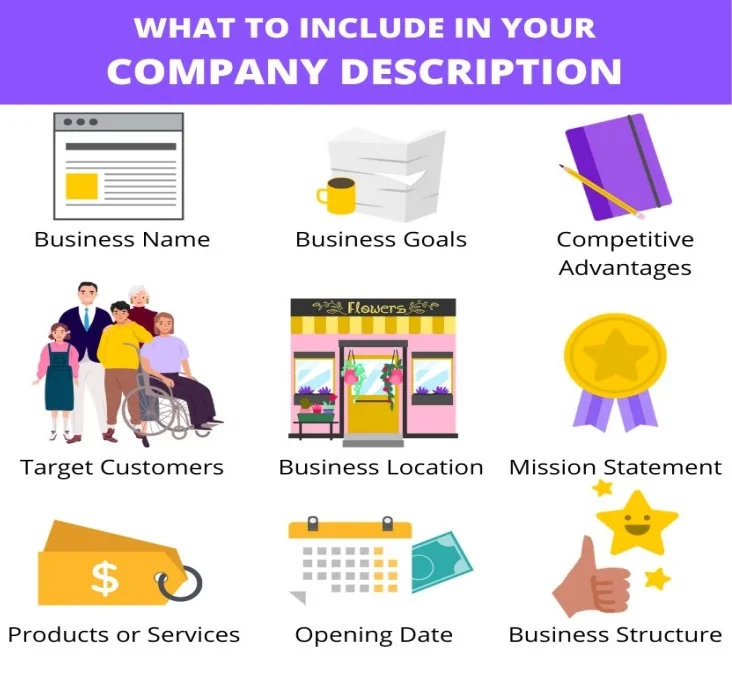
Describe your organization, its mission, and your role within it. There’s a good chance they haven’t heard about you and won’t be able to tell by browsing your current website (which may be why you need a new website). The company’s background assists the agency in providing a solution that suits the brand and its target audience.

RFP for website design-4

There are 4 key items to consider here:

  • Company background: Is your firm old and well-established, or are you a new and exciting start-up?
  • Business sector / industry: You may also include your top competitors, so that the web design agencies can obtain some ideas and figure out how to differentiate your website from the crowd and make it stand out.
  • Market segmentation: All critical parts of website design, such as functionality, user experience, graphics and even content are determined by the demands of your intended audience. As a result, be clear here and inform your prospective web design firm of the market segment, including demographics you want to target.
  • RFP Manager: Finally, tell them a little bit about yourself. What is your name? Are you a decision-maker, ideologist, shareholder, or simply a middleman dealing with this problem on behalf of the corporation?

These four points will give the potential website design firms a clear idea about your company and its essential components.

3. Goals and objectives

You can’t expect to get the desired results without first explaining your goals and core objectives.
The goals and core objectives are all about identifying problems, defining expectations, and determining targets. To ace this part, consider the following two major points:

a. To begin, what issues do you and your visitors face? Be truthful and identify all of the problems that the existing website is experiencing.
Also, identify aspects that you dislike or that your users do not find helpful. Be explicit about the kind of complaints that your website receives regularly. If you are planning to start a new website, you may skip this stage.

b. Second, what are your goals for your new website? Describe what you intend to achieve or the desired outcome. What are the three most crucial aspects that, if done correctly, will ensure the redesign is a success? Do you have any quantifiable measures in mind that might be beneficial, such as more revenue, more email subscribers, or better-qualified leads? Consider what you want web users to do, not simply what you want them to see. Make a list of all the objectives you intend to achieve like:
• Boost traffic
• Generate leads
• Promote products & services
• Increase your brand’s trustworthiness.
• Educate people on a certain topic or industry
• Provide information about your products & services
• Entice the audience
• Raise funds for a worthy cause
• Increase public awareness
• Promote the brand

Do not be scared to include all of them.
However, do not shower them all on the web design firm. When you’ve finished making a list of everything you want to accomplish with the new website, it’s time to prioritize. Choose one or two primary objectives and direct the vendor’s attention to them. Other objectives should be listed as secondary objectives. Specify these objectives as having a precise budget and deadline.

4. Website Sitemap

RFP for website design-5

Think about it: why would anyone ever want to change their existing website? Maybe to attract more visitors or launch new products.
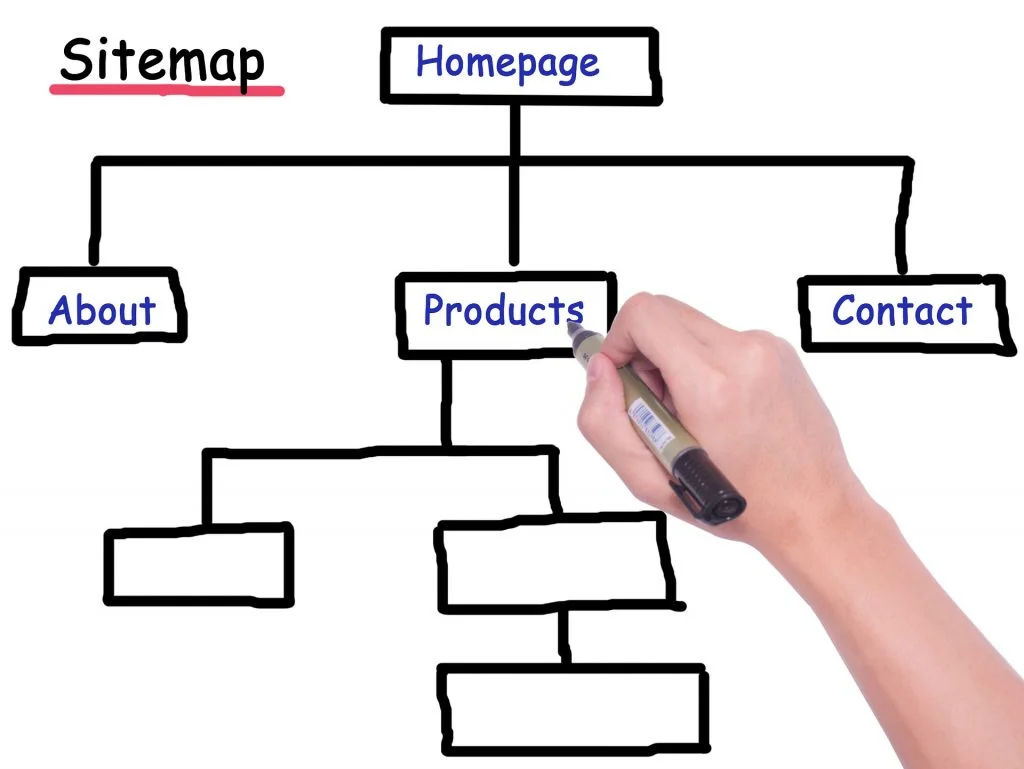
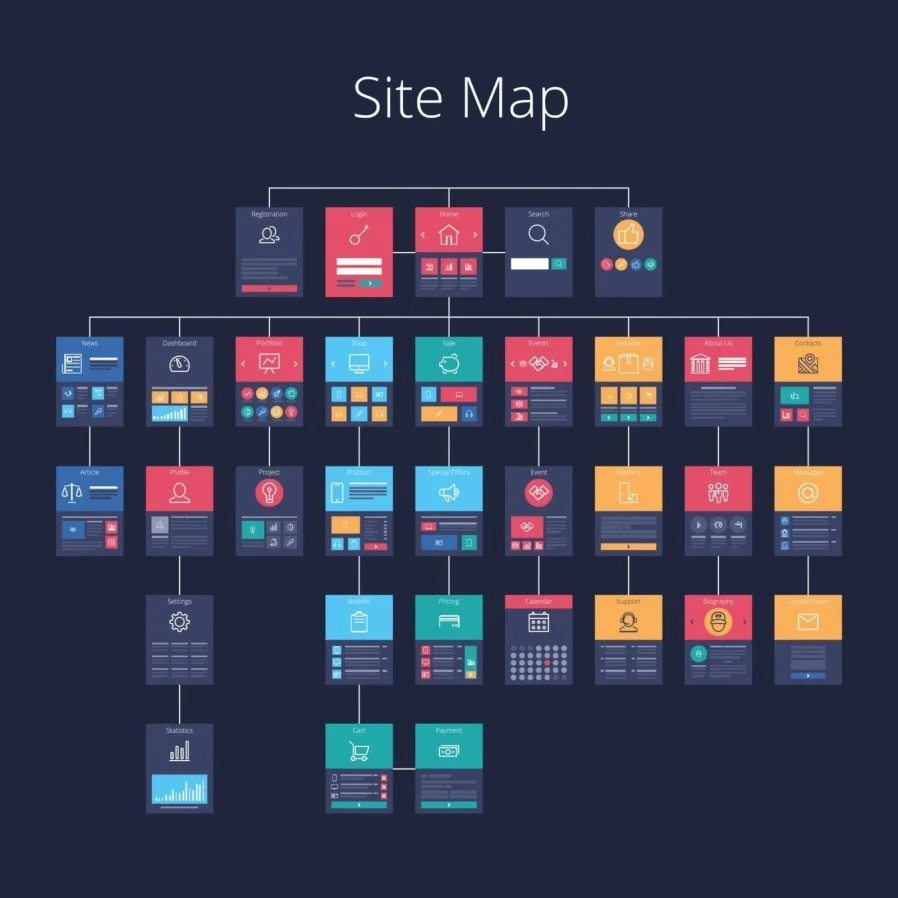
Well, one of the most common reasons businesses revamp their websites is because the content is disorganized or difficult to discover as it is hidden behind too many clicks. As much as the aesthetic design influences visitors’ perceptions of your firm, the sitemap reveals how effectively you’ve planned your primary site parts and navigation structure. Include a plan in this section for how you want to restructure it if you already have one.
The sitemap will assist you in determining which new material you will need to develop and what will be moved from the previous site. Some of it may be outdated or not interesting. So, you’ll need to write a fresh copy, especially if you’re launching a new item, service, or campaign.
A sitemap, which is essentially a table of contents, is critical for your search engine ranking. It informs search engines like Google about which web pages and files are crucial. Web crawlers collect this information and use it to help your firm rank better in search results. As a result, it should not be taken for granted.

5. Work scope and deliverables

This is where you should go into greater depth regarding the project. To the best of your ability, define all of the services you know you’ll be recruiting a web team for. For instance, in the case of a web redesign project, you may be paying for:
• Project management/administration
• Content strategy
• Copywriting
• Illustration
• Information design
• Visual/graphic design
• Search engine optimization
• Front-end coding (HTML/CSS, animations)
• Back-end development (CMS, 3rd party APIs, custom software/features)
Custom software or app creation
• Mobile device optimization
• Accessibility audit
• Testing & quality control assurance
• Paid search placement/advertising
• Software training
• And more
While core objectives are about aims, deliverables are about structure and functioning. It is the most critical section of an RFP for website design. As a result, take your time and carefully consider each item.

6. Technical requirements

Now this is going to be the crazy or the technical part of your RFP for website design.
This is a vast topic, but your purpose here is to outline any constraints or requirements you are aware of ahead of time. Because a website is really a technical software product, these are the aspects that may influence the timeline and deliverables. Here are some examples of technical requirements:
• Content management system
• Security tools
• SEO tools
• Social media integration
• CRM integration
• eCommerce module
• Search bar
• Advanced filter for products
• Registration system
• Login form
• Community
• Module for displaying data from external sources
• Subscription form
• Payment
• Store locator
• Interactive map
• API, etc.
You must offer the agency with your business technical needs in addition to an informational framework. It is this section of the RFP where you must mention all of your website’s features and functionalities to keep a clear understanding of what you want from your website.

7. Project Timelines

We all know that we have a tendency to procrastinate endlessly, unless we are given a deadline.
You can’t manage a business unless you create goals and meet them by a specific date and time. Creating a web design is no different. The delivery schedule is critical. As a result, it should be mentioned and highlighted in the RFP for website development. Here are the key dates to outline:

RFP Release Date: The date when RFP is sent out.

Response Deadline: The date by which proposals need to be submitted.

Vendor Selection: The date by which decision is to be made and all vendors to be notified.

Project Kick-off: The date by which the vendor should have the team members ready to start working on the project.

First and foremost, define the website project launch target date, when you intend your website to go online.
Second, inform partners when they may expect to hear back on their submissions.
Third, inform any significant milestones such as the debut of a new product, an advertising campaign, an annual convention, and so on.
Finally, avoid setting unreasonable timelines. The thing is that each task, particularly the more intricate ones, take time to finish. Be prepared to wait if you really want your website design to be flawless at every level. Of course, you can request that your project be completed as soon as possible; but keep in mind that every rushed project is prone to errors and costs twice as much as a standard one. As a result, set realistic deadlines based on the scope of work and effort.

8. Project Budget

RFP for website design-6

The budget governs the scope of work in every project and so it does in website design and development.
The website design agency will build a suitable proposal based on your requirements, goals, functionality needs, timeline, and, of course, budgetary plan. As a result, in your RFP for website redesign and design, you must specify how much you are willing and able to pay.
Keep the following points in mind when settling on a budget:
First, determine your top priority. Whether you want the cheapest solution, the most cost-effective option, or you want to turn your idea into reality by any means and money is not a problem.
Second, select which services are optional, desirable, or obligatory in the future. Website maintenance and PPC efforts, for instance, might be mentioned as additional services that might be required later. Include these costs in your annual recurring budget.
Third, select what you want in exchange for your money. After all, developing a website is an investment; thus, ROI targets must be established.
Finally, inform the vendor of your payment plan or fiscal year constraints. These key areas contribute to the big picture, providing vendors with a sound foundation for pricing their bids.

9. Selection Criteria

Selection criteria is important to shortlist from a wide range of proposals. You’ll receive a slew of different offers, each with its own set of strengths, reputations, and talents. Some will compete on price, some will compete on quality, while others will focus on features. Determine what you want in a vendor: the most affordable option? The quickest delivery? Best quality? Is a distributed team acceptable, or do you need every member to be close to your headquarters? Is it OK to hire subcontractors or solely full-time in-house employees?
You must strike a balance between the team’s skills and the constraints of your budget, but in the end, you want the most outstanding work that you can afford. So weigh them according to what is most essential to you and then add them to your RFP for website development.

10. Submission Instructions

It is a good idea to explicitly mention all key details that every vendor should include in their proposal. It can be a combination of basic company information as well as key project details. Some of the basic details to request are:

  • Contact info: Name, email, phone, website
  • # of years in operation
  • At least 3 client references
  • Examples of 3 relevant projects and any relevant links
  • Team members that will work on the website project, their roles & responsibilities, their experience and skill set
  • General timeline from start to completion
  • Project management approach
  • Pricing details (breakdown of different services OR deliverables)

11. Contact Information

RFP for website design-7

Finally, include contact information so that the agencies know where to submit their proposals and who to contact with questions. Typically, the authors are the ones who will lead the project. If not, or if additional team members are engaged, identify them in your RFP. Have you or they already worked on a similar online project? Also, do you have final decision-making authority, or will the proposals be put to a review panel? Clarify the selection process for better understanding.

Final Thoughts

It is indeed complex and even intimidating. But, ideally, the guidelines above, together with our free website RFP template, will make the process of improving your business’s front door a bit easier.
When done correctly, an RFP fully unlocks its benefits. You have the option of choosing from several skilled web design firms, each putting their best foot forward depending on your unique business objectives and requirements.
Remember to think extensively about your project before preparing a website RFP. Inquire about the opinions and ideas of others in your team. The more precise you are, the simpler it will be to track your progress and achieve your objectives. Having a clear objective will also assist you in understanding how each bidder’s proposal will work to tackle your specific challenge. If you stick to these guidelines, you’ll be well on your way to crafting a fantastic RFP for website design.

RFP for Website Design Template

Now, for the best part. We’ve created a useful template that you can use to craft your own RFP. Download it, customize it with your name, dates, goals, requirements, features, hopes and dreams. And then BOOM! Proposals will start pouring in from every direction. Just fill out the form below and we will send a copy to your email address:


Good luck! And be sure to send a copy our way to our email: info@telkoware.com

40 Awesome Examples of eCommerce Website Design

online shopping website

When you have an ecommerce business, the first thing that you want to do is ensure that your eCommerce website design is an accurate representation of who you are and what you do. After all, it is the one chance that you have to make a good, lasting impression on your potential customers.

So, to give you some inspiration, we’ve put together this list of what we think are the best ecommerce website designs out there. If you’re in the process of designing your site and need a little inspiration, then you’ve come to the right place. Read on for more.

1. The Parfait Stand

eCommerce-website-design-parfait

Starting us off strong is the Tokyo-based ecommerce website that changes from a flat theme to a unique dimensional one through the use of suggesting motions. The Parfait Stand also makes use of stylized product visuals, as well as full screen animations that changes to modal views when the user hovers over them.


2. Ban.do

eCommerce-website-design-bando

Next is Ban.do, a lifestyle ecommerce website design that features an intuitive and playful theme with bursts of vibrant colors. It is this combination that gives the site its youthful feel, while the simple navigation makes the website incredibly easy to make your way about.


3. Bougessa

eCommerce-website-design-bougessa

The homepage for this ecommerce website exudes luxury from the moment you land on the site. Bougessa is a fashion brand that prefers to let images take center stage of its website, relying on beautiful pictures to sell the products while taking a minimalist approach to navigation.


4. Premium Teas

eCommerce-website-design-tea

Premium Teas is an ecommerce store whose website is clean, sophisticated, and modern. The teas are presented in a way that makes it incredibly easy for visitors to scroll through the website and pick out the product that speaks to them.


5. Simply Chocolate

eCommerce-website-design-chocolate

This Denmark-based chocolate company uses an ecommerce website design that provides enough space to let each product shine individually. When scrolling down the page, a new chocolate bar will float up to the middle, with each bar having its own fun theme and unique name.


6. Bon Bon Bon

eCommerce-website-design-bonbon

Bon Bon Bon is not just a fun name but an artisan chocolate company with an impressive ecommerce website design strategy. While there’s certainly a lot going on with this website, it’s all fun, featuring plenty of colors, patterns, and designs.


7. Northernism

eCommerce-website-design-northernism

The unique thing about Northernism’s ecommerce website design is that it uses images placed on a grid to stand out – something you don’t see with any other ecommerce store. With its modern design, this website makes clever use of free space and simple images to create a non-crowded feel.


8. Boxhill

eCommerce-website-design-boxhill

Boxhill is a beautiful ecommerce website design whose theme features plenty of white space, helping draw more attention to each product that they offer. The website’s design is super clean and neat, giving it an overall professional and sophisticated feel.


9. Dainty Jewell’s

eCommerce-website-design-dainty-jewell

Dainty Jewell’s is an example of a clothing store with a very soft, vintage look. The main colors are gold, white, and light pink emphasized through delicate patterns. The design of this ecommerce store works well with the products that the company sells.


10. SISU Guard

eCommerce-website-design-sesu

When it comes to sports, SISU Guard features one of the most well-designed ecommerce websites. Their site features categories that make it much easier for you to navigate to your category of interest, while the minimalist design keeps you focused on the products.


11. Di Bruno

eCommerce-website-design-debruno

Di Bruno’s website design is hard to ignore from the moment you land on the home page. One of this website’s design highlights is the fact that it features short descriptions for each product, which you can read when you view product category pages.


12. Black Butterfly

eCommerce-website-design-butterfly

The eCommerce website design of Black Butterfly aims to represent a modern, simplistic feeling with its basic theme. With its cute graphics and fun photos scattered throughout the site, you’re easily able to navigate to the category of dresses that you’re interested in.


13. P&Co

eCommerce-website-design-pco

P&Co is on this list because of its incredible attention to product detail. It is a clothing eCommerce website that has a very particular design model, showing off dozens of angles for each of their shirts. The company also features many different specifications for each item.


14. Oi Polloi

eCommerce-website-design-poloi

The Oi Polloi homepage might be minimal, but it’s undeniably fun. This ecommerce website proves that minimalism does not automatically mean cold, thanks to the giant photos and colorful background that this store uses to showcase its products.


15. All Birds

eCommerce-website-design-allbirds

All Birds is the master of footwear action shots. This ecommerce website is vastly different from other shoe companies, giving each shoe a feeling of true motion with each image. All Birds is different, effective, and extremely memorable.


16. Knotty Tie Co.

eCommerce-website-design-tie

Knotty Tie Co. uses some brilliant design elements to showcase their unique offering – custom tie designs. The company makes this immediately obvious by allowing visitors to fill out a custom design survey without having to sign up, eliminating friction and allowing more visitors to explore their products.


17. The Letter J

eCommerce-website-design-letter-J

This next ecommerce website is one that sells typographical products, like prints and phone cases, which means that it needs a unique and interesting web design model by necessity. The Letter J puts a unique spin on product photos and backgrounds.


18. Rest

eCommerce-website-design-rest

Rest is a wooden desk accessory seller, and naturally, the company’s website is based on lifestyle shots of their products on desks. The product pages feature well-thought out details of products, as well as examples of how the products look together.


19. Frank Body

eCommerce-website-design-frank-body

Frank Body is the epitome of modern beauty in the ecommerce space. This company’s website design caters to a youthful and fun audience, and this strategy is reflected in their use of pastel colors and a monotype font.


20. Ratio

eCommerce-website-design-ratio

Ratio makes use of ecommerce web design to show its customers that the company sells high-end products. They are a coffee company whose product pages explain the brilliance of their products in great detail, while the rest of the website is packed with beautiful images.


21. RSVP

eCommerce-website-design-RSVP

RSVP features a very interesting ecommerce website design. There’s a lot happening on every page, but nothing feels like it’s competing for your attention. The titles are large and eye-catching, while the buttons are subtle but effective at conveying exactly what they do. Everything is set to a soft background that makes RSVP’s website a pleasure to look at.


22. Skullcandy

eCommerce-website-design-skull-candy

Skullcandy’s ecommerce website design strategy is anything but simple. The site comes to life with a splash of vibrant colors on every page, and the company uses just the right level of visuals and text to enhance the experience of visiting this website.


23. Hardgraft

eCommerce-website-design-hard-graft

Hardgraft makes its point immediately known through its ecommerce website design. From the moment you land on the home page, it’s clear that this is a men’s fashion brand. The font is sophisticated and not too large, while the textured background in a soft gray makes the whole site very easy on the eyes.


24. Helbak

eCommerce-website-design-helbak

Helbak is a prime example for small businesses of how you don’t have to overdo it in order to have an effective ecommerce website. The products showcased on this site are clean and beautiful, while the design makes use of both white space and product colors to great effect.


25. Sierra Designs

eCommerce-website-design-sierra

Sierra Designs is an excellent example of inspirational eCommerce web design. Their professional, eye-catching photography and user-friendly website interface strikes a fantastic balance between a responsive design and a clean one.


26. Muroexe

eCommerce-website-design-muroexe

The layout of the shoe products on Muroexe’s website is wonderful. The product images are aligned in a neat, concise grid, which makes it incredibly easy for visitors to browse the site. There is a lot of white space present, which makes each product stand out.


27. Grovemade

eCommerce-website-design-grovemade

This next website has a heavy reliance on lifestyle product shots. Grovemade includes stunning photos of their wooden accessories on desks and tables, which gives visitors a good idea of what the company’s products would look like in their own homes. We have to compliment the photo composition as well.


28. Jackie Smith

eCommerce-website-design-jackie

Jackie Smith is another ecommerce website design that takes advantage of bright colors and vibrant imagery. However, this company is different in that the colors aren’t just limited to their promotions and product photos – their fonts are just as colorful.


29. Poketo

eCommerce-website-design-poketo

Poketo makes full use of bright colors, but in a way that avoids being overwhelming. The website is set to a white background, while the colorful product images add a layer of vibrance to the entire website. Product categories are also visible from the very top of the home page, making the site very easy to navigate.


30. Mahabis

eCommerce-website-design-mahabis

Mahabis.com pays special attention to showcasing their high-quality products right off the bat, and they do this through their brilliant website design. The minute you land on the Mahabis home page, you’ll be greeted with a description of the comfort of their products.


31. ESQIDO

eCommerce-website-design-esqido

ESQIDO.com eCommerce website design focuses on the beauty of their main product, which is eyelashes. The website is packed with close-ups of their products and their intricate package, and there is even a short video on the homepage that provides a quick tutorial on how to apply false eyelashes.


32. The Horse

eCommerce-website-design-horse

There’s nothing that isn’t memorable about TheHorse.com.au, from the brand name to the website design. Speaking of, their website features big, bold images, with a few words scattered here and there. If you want to be unique, The Horse is a great source of inspiration.

33. Dick Moby

eCommerce-website-design-dick-moby

You may not have guessed from the name, but dick-moby.com is an eCommerce glasses retailer. Their website features incredible design elements, such as fun patterns and high-quality product images. On the shop page, the glasses are showcased by themselves without anything else in the background, which is an effective way to show off your company’s offerings.


34. POGG

eCommerce-website-design-pogg

Next up is POGG, a sweet potato pie brand that does a fantastic job at portraying the texture of its products on its website. You’ll be able to see elegant white templates that are accented with golds and pinks in the product shots. The layout is reminiscent of a magazine with its delicate UI and high-quality photographs.


35. Chubbies

eCommerce-website-design-chubbies

Chubbies is a swimwear company that knows exactly how to grab your attention. They use bright colors and vibrant product photos to get visitors into a fun vacationing mood. A great aspect of this site is that it shows the company’s swim trunks in a tropical jungle environment.


36. Ambsn

eCommerce-website-design-ambsn

This company is another clothing ecommerce website, which is packed with colorful images of their shorts, jackets, and shirts. They use orange as their accent color, which is not only a less-common color to use, but also stands out beautifully against the minimalist background.


37. Bohemian Traders

eCommerce-website-design-bohemian

If you want excellent inspiration when it comes to designing a clothing website, then a good place to start would be Bohemian Traders. It’s no surprise that this website uses Bohemian touches in its design, and the site is very easy for visitors to navigate.


38. Dress Up

eCommerce-website-design-dress-up

This company specializes in selling fashionable clothing items. Dress Up uses big, bold texts and contrasting colors to highlight sales, new arrivals, and seasonal promotions, and they even have a ‘Chat With Us’ option on their website that is fairly uncommon for fashion retailers. Something to consider!


39. Bliss

eCommerce-website-design-bliss

Bliss is an ecommerce website that channels fun energy through its design using bright colors that communicate a very excited and joyful feeling. What’s more, the photography on this website is excellent, with big images on the homepage to set the mood for the rest of the site and its product showcases.


40. Miansai

eCommerce-website-design-miansai

And last, but certainly not least, we have Miansai’s beautiful eCommerce website design. The company makes immaculate use of minimalism to make their product photos feel more immersive. The site feels more like you’re walking through a museum of abstract photographical art than scrolling through an ecommerce store, and that’s what we love about it.


Wrapping Up

While designing your ecommerce website can certainly be a tricky business, with a little bit of inspiration, you can make the task much easier and much more enjoyable. Be sure to refer to the websites above for all of the ecommerce web design inspiration you’ll ever need.

If you aren’t sure about your eCommerce website design or want another opinion, feel free to reach out to us at info@telkoware.com OR 1(437)223-1771 for some friendly feedback.

Most comprehensive guide to the best eCommerce website design

ecommerce-website-5

Nowadays, if you’re selling anything—whether that’s shoes, food, furniture, or something in between—you need to jump on the eCommerce website train.

In 2020, retail e-commerce sales worldwide amounted to $4.28 trillion US dollars and e-retail revenues are projected to grow to $5.4 trillion US dollars in 2022.

In 2020, e-retail sales accounted for 18 percent of all retail sales worldwide. This figure is expected to reach 21.8 percent in 2024.

An eCommerce site offers you the chance to build your brand, connect with more customers, and sell more products—but only if you’ve got the right website design. When people shop online, often their only experience with your brand is your website. The modern consumer expects a seamless customer journey — an effortless path that leads them from landing on the website to the completion of their purchase. Anything that hinders the ideal shopping experience has the potential to drive customers to your competitors.

Today’s eCommerce website conversion rates (visitor to a customer) are lower than most people realize. In fact, the industry average is currently just under the 5% mark. Given this reality, you should seize every opportunity to optimize your digital strategy, engage shoppers, and ensure their ability to complete purchases quickly and easily.

Website design and layout is critical in the success of an eCommerce website. For the best eCommerce website design, there are many factors to consider, including the website design and layout, product quality, product images and description, website content, brand recognition, shipping rates, return and exchange policy, security, trustworthiness and customer service.

Your eCommerce website design should attract potential customers, provide great user experience and present your shop in the best light. So, not only does your site have to look amazing, but it also needs to drive your website visitors to take action, that is … buy your products. But how, exactly, do you do that? How do you design the kind of eCommerce website that will have products flying off your virtual shelves?

Here is a complete guide with 21 eCommerce web design tips to help you take your eCommerce store to the next level:

1. Security and Trustworthiness

One of the most important factors for every customer is security and privacy; especially when they are providing their credit card information, along with personal details.

There are many ways to communicate trustworthiness.

Provide the following information:

  • Photographs of people behind the business
  • Contact information
  • Links to social media
  • Shipping policy
  • Return & Exchange policy
  • Privacy policy
  • Product reviews
  • Trust seals

Having your physical address (of main office, warehouse, or store) and phone number for contacts mentioned on the website automatically adds to your credibility. Consider adding a WhatsApp number, Facebook Messenger chat or other live chat options for the millennials, who prefer typing over talking.

Another important aspect of security is Secure server: Every website, irrespective of being eCommerce or not, should be hosted on a secure server and all data must be encrypted with SSL (secure sockets layer). eCommerce platforms like Shopify provide SSL by default, but if you are building a custom eCommerce website on Woocommerce or other programming language, then you would have to purchase and install an SSL certificate.

Also, add Trust seals to show your customers how secure the website is. These are badges that can be displayed in the footer, so that they appear on every page.

ecommerce-website-1

Also, proof read all content not once or twice, but multiple times. If the website has typos, missing images, broken links or page not found (404 error), then it will not look very professional and customers would think twice, before doing any transaction on it.

2. Customer reviews and testimonials

Another important way to build trust is social proof. Shoppers trust opinion of other shoppers, who have purchased and used the product. When you’re designing your ecommerce site, look for ways to show your potential customers the positive feedback you’ve gotten from your existing customers. Add a ratings section where people can rate your products (and then get as many 5 star reviews as you can). Add a testimonials section where you feature customer photos with a quote or two about what a great experience they had working with you. Ask customers to review your products—and what they like about them—and then add them to your blog.

The more your website visitors see that other people have had a positive experience shopping on your eCommerce website, the more trustworthy your site will appear, and the more likely they will proceed with the purchase.

Have the option for visitors to submit reviews on the product page, so you can publish it for that specific product.

After a customer has received the product, send them a follow-up email asking them about their experience and to review the item. Just make sure you give them enough time to use it before you ask for their feedback.

I understand that this can be scary for some of you. Not everyone will be happy with your products, and the idea of negative comments being publicly displayed can be frightening to some brands. But that’s OK. Don’t let a few bad reviews discourage you. Look on the bright side of it. This will show shoppers the reviews and testimonials on your site are legitimate and trustworthy. A couple of negative remarks can make your positive reviews appear that much more powerful. Also, it will be valuable feedback from your customers to improve your product and/or service.

3. Brand Identity

Brand is your unique business identity that people recognize and remember. That’s why your brand should be reflected throughout the website. The color scheme, font, and layout reflects your business identity and tells visitor the type of products and services you offer. Also, brand should be consistent throughout all channels; whether it is website, social media, physical store, or anywhere else.

4. Seamless Navigation

Visitors on your eCommerce website should be easily be able to browse through different pages, find what they are looking for with least no. of clicks, add products to their shopping cart and checkout.

If they have to jump through many hoops to find the right product, then they will get frustrated and leave. Even if they purchase it once, they would be reluctant to come back for another purchase.

5. Product Categories

To organize your products and make it easier for customers to browse through it and find relevant item quickly, divide your products into categories and sub-categories. The category names should be common words that can easily describe what kind of products are in that category.

The easier you make your categories and pages to navigate, the easier it will be for your customers to find what they are looking for and make a purchase.

6. Product Search

Product Search is a powerful tool that helps customers find the relevant product quickly without browsing through different web pages and product categories. It is such a useful and handy tool to find the right product among thousands of products that it should be present on the top of every page. Standard position to implement the product search bar is on the top right or top center of the pages, or on the main menu.

The box should be visible, quickly recognizable, and easy to use. That means it should support all kinds of queries, such as product names, categories, and product attributes, like color or size.

What is gaining in popularity these days is the auto-complete functionality in search box. Auto-complete functionality makes it easier for shoppers to find what they are looking for and increases sales potential by suggesting products, while they are typing.

7. Product Filters

Product filter is another very useful tool to narrow down the search to find the right product among hundreds or thousands of products. For e.g., if I am looking for a grey tile of 0.5mm thickness, with Matte finish and in 2×2 size, I can apply filter on color, thickness, finish, and size to find the right one quickly.

8. Product Sorting

Once the products are searched or filtered, you can allow shoppers to sort search results based on various criteria (best sellers, highest or lowest price, product rating, newest item, featured, etc.

9. eCommerce Product Page Design

Design a product page that creates an experience like they are physically present in the store and checking out the product, by including lots of images, detailed descriptions and any other useful and related information about the product. Let me explain further on what that means.

With eCommerce shopping, buyers can’t touch, feel, or try out the product. Instead, everything depends on what they see online. This is why providing good quality product images and videos that clearly exhibit all aspects of the product is critical.

High-resolution images, video reviews, and comprehensive product details make a significant impact on the conversion of a window shopper to an actual buyer.

ecommerce-website-2

The downside of online shopping is that customers can’t see or feel the product or, try it on, so the only information they can use to make a decision is product descriptions. Adding individual measurements and fabric care details to clothes, explain different purpose for electrical/electronic instruments, and energy consumption for appliances will all help convince customers to buy your product.

10. Related and Recommended Products

When a visitor is on your website looking at different products and putting them in shopping cart, that is a great opportunity for cross-selling. Display products that are similar to what shopper is currently looking at, or something that will go well with it, like an accessory. This can be displayed on a product detail page or in the shopping cart and will help guide shoppers to the products that meet their needs, potentially encouraging them to continue shopping and adding more products their shopping cart before checkout.

ecommerce-website-3

11. Shopping Cart Design

The shopping cart is an essential step of the checkout process, as it allows shoppers to review their selected products, make the final decision, add/subtract the quantity of the selected products, and proceed to checkout. The primary goal of the shopping cart is to lead shoppers to checkout.

12. eCommerce Checkout

A stylish and trendy eCommerce website design does not determine a successful eCommerce website.  What really matters is the no. of sales. Not everyone who comes to your website and fills an online shopping cart is going to end up completing their transaction. Shoppers who make it to checkout are nearly at the finish line. Make their last few steps easy and straightforward, and they’ll be much more likely to see it through.

Here are a few ways to build a well-designed checkout page, which will contribute to a successful conversion:

  • Offer various payment options. Different shoppers have different preferences when it comes to making payments. Cater to as many payment options as possible to expand the customer base and to make it easy for shoppers to complete their order.

Offering all possible payment options might be too complex when you are just starting an eCommerce business, but offering limited payment options will cost you sales of those shoppers who want to use another payment option. Although unexpected shipping costs (55%) and a lengthy checkout process (26%) are key reasons for buyers abandoning their shopping carts, according to the 2019 Payment Methods Report, 6% of them would abandon the online sales due to not having enough payment options.

Shopify provides integration with more than 50 payment providers. According to Hostgator, the most popular payment methods are PayPal, Apple Pay, Amazon Pay, Google Pay, American Express, Stripe, Square, Visa, Mastercard, and 2Checkout. New type of currency, known as Cryptocurrency is gaining popularity very quickly. You can also offer manual payment methods like bank transfer or cheque, but that would require additional administration overhead to keep track of these payments and process the order only once the payment has been received, adding unnecessary fulfillment delays.

  • Keep it simple. Minimize the number of fields and steps to complete the purchase. Using shipping address as billing address by default is a good way to minimize the number of fields. Ideally, there should be a single page checkout where shoppers can view their cart summary and enter delivery and payment information.

ecommerce-website-4

  • Make registration optional during checkout. Forcing shoppers to create an account prior to their first purchase will drive the shoppers away. Give them an option to register during the checkout or after the purchase is complete, but have the guest checkout option available at all times. Encourage them to create a profile by highlighting the benefits of registration. Benefits include faster checkout thanks to personal information like saved shipping address or payment information and access to exclusive offers that are only available to registered members.


  • Use clear error indications. There is nothing more frustrating than trying to figure out why can’t I proceed with the purchase? Make error notifications come up in real time, instead of showing it once the form has been submitted. Place clear and concise error messages directly above, or next to the item that requires correction, so shoppers will notice and understand them. Also, make sure that error message is in plain, simple language without any technical jargon. This is not the time or place to show off your technical knowledge. Make errors easy to fix, without forcing customers to restart the purchase or payment process.


  • Keep people on track. When using a multi-page checkout, include a progress bar that shows how many more steps are left to complete the purchase. This will eliminate any ambiguity, and assure shoppers they are on the right track. When the purchase is complete, display an order confirmation and order status with shipment tracking.


  • Offer customer service. Include a live chat or contact number throughout the checkout process, so when shoppers have questions, they can quickly get answers rather than having to leave the site and go elsewhere.

13. Shipping rates

As mentioned earlier, unexpected shipping costs is the no. 1 reason for cart abandonment; 55% of customers abandoning their shopping carts. It could be because they didn’t know the rates or expected a lower sum, or extra charges.

Online shopping is a matter of convenience and if you don’t have free delivery, there should be detailed information about shipment options and rates in the menu with a link on every product page. Some businesses include the shipping cost in the price and offer free shipping on all products with a minimum purchase. You can also run a limited time offer of FREE SHIPPING to increase sales.

14. Mobile functionality

More than 60% of total online traffic is through a mobile device. More than 50% of online transactions are carried out through a mobile device; either through a mobile app or mobile-responsive eCommerce website. Walmart Canada managed to increase their website conversions by 20% after releasing a more responsive website design. They also reported a staggering 98% increase in mobile orders.

15. Speed

If you’re like me, you notice when you’re visiting a speedy website. Everything feels different. Pages take no more than a second or two to load, and information is delivered to you sooner. The site just feels better when you navigate it. Apparently, it does more than just deliver a warm tingly feeling; it also increases sales for businesses. Amazon noticed that just a delay of 100ms cost them 1% in sales. They also did a study, which showed that they would lose $1.6 Billion in sales per year, if their website slowed down by just 1 second.

So if you buy a budget web hosting plan, it’ll cost you in the long run. Even worse than a slow loading time is website crashes, glitches, or error reports. That’s why you’re better off spending the money on a premium web hosting plan now as opposed to dealing with these headaches later. Trust me, it’s worth the investment.

16. Post-launch activities

The hard work doesn’t stop once you have an eCommerce website that you’re happy with. Both before and after launch, your ecommerce web developers should constantly monitor and update the site to keep things running smoothly. Some of the tasks to keep in mind are:

  • Perform a regular audit and analysis of your competitors. Review the website, social media, customer experience and user journey, pricing, and market positions regularly to stay up to date with the market.
  • Perform a regular audit of your own site. For example, don’t forget the importance of SEO audits and functionality reviews. For example, just a one-second delay in page load time can decrease your conversion rate by up to 7%. Make sure that everything is working smoothly and that any problems with functionality are corrected as soon as possible.
  • Perform a regular audit to monitor checkout flow and identify the most common places on the site where users stop shopping, bounce from the site, or abandon their carts. There are a lot of tools and programs that can help you track these vital behaviors. You can use these insights to make website updates in order to improve the conversion rate.

17. Think like your customer

If you want your ecommerce website design to connect with your audience, you need to think like your audience. Ultimately, there are just a few things your potential customers want in an ecommerce experience—a site that’s easy to navigate, well-designed, and makes the process of shopping easy, straightforward, and hassle-free.

And if you want your ecommerce shop to succeed, you have to give them those things.

During the design process, put yourself in your visitor’s shoes. What kind of layout is going to be easiest for them to navigate? How can you organize your products in a way that makes sense for the end user? How can you simplify the checkout process?

When you think like your customer, you can anticipate what they want from your ecommerce store—and then design your site in order to meet those needs.

18. Search engine optimization (SEO)

Not everyone who wants what you’re selling will navigate straight to your website. In fact, research shows that 46% of consumers start the buying process through a search engine, such as Google.

Also, when people are shopping online, they look for options and compare prices before choosing a company to engage with. If you want your eCommerce business to be successful, then your website should attract traffic from different search engines such as Google.

There are different aspects of SEO, such as offline SEO, online SEO, linkbuilding, etc that all work together to improve your search engine ranking. The effects of SEO are long-lasting and this makes it a great investment for your business. It delivers targeted, measurable and cost-effective results on a long-term basis, as long as you keep your focus on SEO. Just like you, your competitors are also optimizing their website to be on top of ranking. If your ecommerce site isn’t one of the top results, they’ll buy from one of your competitors instead. That’s why it’s so important for you to focus your efforts on search engine optimization.

19. Custom promo codes

Promo code is a sales tactic to offer promotional offers for a limited time period, on either all products or selected products. These promotional discounts can be of specific dollar value, percentage OFF, Free Shipping, Buy-One-Get-One-Free. Also, promo codes can be for single-use or for multiple-use. Single-use promo codes are not shareable and expire once used. You can promote a multi-use promo code on the announcement bar on top of the website, mention it in your email campaigns, or any Digital Marketing campaigns including Social Media to target as many customers as possible.

ecommerce-website-7

20. Shopping cart abandonment emails

Once a user sets up their profile, you can track their shopping activities on your store, including the items they placed in their shopping cart, but didn’t complete the transaction. That means they were interested in the product, but didn’t go through all the way. Sending an email reminding about the items in cart can be just enough to close the sale. You can also add a promotional discount offer or some other incentive to sweeten the deal. Bottom line is that don’t let go of that customer.

21. Email subscription list

Building an ecommerce email list and sending them discount offers / promos, new product offers, useful tips is one of your best options to keep them engaged and have them come back again and again for repeat purchase. The objective is to stay on top of their mind, so that they don’t forget about you.

A great way to add subscribers is to collect email addresses during the checkout process. If they are just visiting your store and not going through the checkout, you can have a pop-up offering a discount or some sweet offer in exchange for their email address.

ecommerce-website-7


There you have it; the most comprehensive guide to build the best eCommerce website. Even if you are able to implement some of the strategies explained here, you will see significant improvement in the overall traffic and sales of your store.

Developing an eCommerce website is not a one-time activity. It is a journey in which you keep improving your store by implementing new ideas and features, testing different ideas and measuring results to see what works and what doesn’t and gradually taking your store to the new heights. Once you look back on your journey, you will feel proud on your achievements.

If you need help on this journey, you can always reach out to our team for a free consultation, via email at info@telkoware.com or via phone at (437)223-1771.

Wish you all the best! Good Luck.

5 Reasons To Migrate your eCommerce Website To Magento Platform Today

magento-ecommerce

Every eCommerce platform evolves with the everyday changes in the business needs. For some businesses, the eCommerce website is another channel for sales, while for others, it might be a way to provide product information and connect with a larger audience.

Keeping pace with the rapid evolution of eCommerce technology by keeping your website up-to-date as well as visually attractive is important to ensure a steady and growing flow of visitors. So deciding on which eCommerce platform to go with needs to be evaluated carefully. A more complex decision is when you already have an eCommerce website, but has limited features and would like to migrate to a more powerful, user-friendly eCommerce platform.


Should You Migrate?

So you are experiencing the pain points of your current eCommerce platform daily; be it technological debt, the incapacity to innovate swiftly, or its rigidity. But the thought of migrating from one platform to another can be a scary one. With the time-consuming and expensive process of not designing and developing the new website, but also migrating existing content, web pages, and products information makes you wonder if it is really worth the effort.


Impact of Changing an Ecommerce Platform

Having your website built on the right eCommerce platform will have a significant impact on your online sales. The speed and performance of the website, user experience, navigation, seamless checkout process, account creation for future purchases, etc play an important role in helping the customer decide whether to buy the product from your website, or move on to your competitor’s website.

When it comes to eCommerce platforms, there are numerous options available for you to choose from. We are here to make things easy for you!

You might have heard about the Magento eCommerce platform. If you haven’t, the Magento eCommerce platform is an eCommerce platform established on open-source technology. The platform provides online retailers with a docile eCommerce and shopping cart system. It is very popular among medium to large-sized organizations due to its features.

magento-development

If you are wondering whether to pursue Magento development for your eCommerce website, then we have listed below 5 reasons why migrating to the Magento eCommerce platform is a good idea.


1. Customization for Future Growth

Like other eCommerce platforms, Magento eCommerce platform not only provides a wide variety of themes, but also offers tools to customize it to match it with your business’s unique identity and brand. It even lets you maintain customization, even when platform patches or upgrades are installed.

magento-development
Along with easier customization, the platform offers content staging and preview functionality, so you can see how it will look when it goes LIVE. Your operations team can easily update content without the need to connect with IT team.

Be it the checkout process or sales campaigns, the Magento eCommerce platform lets you decide whether your business needs custom features or module development. The decision is yours!

The platform’s built-in native functionality follows the best practices of Search Engine Optimization (SEO), thus allowing you to improve your search engine ranking when someone searches for keywords that are relevant to your business. So the Magento eCommerce marketplace enhances SEO capabilities even further.

When it comes to inventory management and online store management through Magento eCommerce, it brings a manageable timeline dashboard with a user-friendly preview option. With the Magento eCommerce, you can even schedule the updates to ensure that it gets deployed automatically in a timely manner.


2. Rich experience

Magento development facilitates the delivery of personalized and rich experiences for customers. The platform enables which items should be displayed as product recommendations through meaningful promotions.

It also has a nice feature to convert visitors into customers. With the Magento eCommerce’s intelligence capabilities, the products are pushed towards the visitors based on key factors like location, search history, preferences, purchase history, wishlist, etc.

For specific customer segments or products, the platform allows the user to set promotional pricing. Another nice feature to entice customers to make a purchase is the ability to create coupons for specific customer segments, product categories, or time segments.

The automated reminders for customers, who either abandoned their shopping carts or added products in wish lists but didn’t purchase the product, helps immensely in improving sales.
The platform makes the search and filter experiences easier for the customers in order to find the right product quickly, which also improves the chances of a sale.

magento-development

3. Integrated Functionality for B2B

Do you run a wholesale business? Are you in search of a trade portal that offers your retail customers a 24/7 shopping experience to purchase in bulk? If yes, then the Magento eCommerce platform is the one for you. It allows you to offer your retail customers the ability to create company profiles, set up multiple buyers, and take benefit of an easy to use online buying experience.

With integrated functionality for B2B, take benefit of quick order forms, requisition lists, enhanced quote requests processes, etc. to setup an end to end supply chain process.


4. Omnichannel Experience

To provide the best-possible customer experience, a business requires a smooth Omni channel system.

The Omni channel structure is specifically designed to extract all enterprise data into one implicit provision for administration and make it evident both internally and publicly across diverse sales channels. That means no matter which sales channel does the customer interact with, he/she has the same pleasant experience.

Eventually, when a business grows, it gets more complicated. As a result, the system needs to be scalable.

Imagine, you wish to expand your e-Commerce business, but find out that the eCommerce platform you have chosen doesn’t have the capabilities you want. It doesn’t allow you to “customize” according to the scaling structure of the business. After all the invested time, effort and money put into that eCommerce platform, now you have to switch to another one.

The Magento eCommerce platform provides support for the creation of an omnichannel experience due to its ability to integrate. The platform includes numerous popular marketplaces, including Amazon, eBay, etc. in order to help retailers provide a better experience to prospective customers.

Through this ability of integration, it will allow exposure to the wider audience, and it is very easy to manage all through Magento eCommerce.


5. Faster checkout process

The Magento eCommerce platform comes with an instant purchase functionality. Through this function, the process of checking out the product becomes very efficient.
For instance, if you are a first-time user, you will need to provide your contact details, but for any future purchases, there isn’t any need for it.

Magento developers have made sure to optimize the online platform experience with these steps:

• Build seamless payment checkout for prospective customers.
• Offer the most flexible payment options and terms, for instance, invoicing, instant financing, etc.
• Simple ways to verify and capture shipping and billing details.
• Protect retailers against deceitful activities like fraud, chargebacks, etc.
• Ability to scale up and move towards cloud hosting option.
• Effective and efficient internal processes by assuring accurate pricing system and tax compliance.

Just like every business has its own unique opportunities and challenges, in the same way every business has its unique eCommerce needs which can be fulfilled by one specific eCommerce platform and not others. Just because other businesses are heading after one specific platform does not mean it is the right one for your business.


Conclusion

We have only covered 5 major advantages of Magento eCommerce platform, but there are many more. Careful analysis needs to be done to find the right eCommerce platform for your business. Every business has unique requirements with respect to products, structure of the business, internal processes, and objectives. For some, Shopify make more sense, while for others, WooCommerce may give them the best return on their investment. It is a long-term commitment and needs to be carefully vetted. If you are not sure which one to choose, then our experts would be happy to provide FREE consultation to help you make the right decision. Just give us a call at (437)223-1771 OR info@telkoware.com


Author Bio
Alice Scott is a passionate writer and blogger who specializes in topics related to digital branding, blogging, and online business. She loves having Churros with her cat Chubby and morning walks.

11 Reasons Why Shopify Web Designers Love to build e-Commerce websites on Shopify

shopify-web-designer-1

Shopify is a popular platform for designing e-Commerce websites. It allows you to organize your products, accept payments, track orders and manage inventory with ease. It is perfect for low-budget e-commerce stores as it provides these useful services at a reasonable price.

The Shopify website design options are available in its theme store. With this, you can customize the look and style of your e-commerce store. You can choose one from the numerous available themes crafted by renowned website designers. Some of them are free, while others are paid. You can also convert website to mobile app software to increase the visibility of your e-commerce store.

But that’s not all. Here are 11 more reasons why web designers love Shopify to develop e-Commerce stores:


1. Shopify theme store

shopify-web-designer-2

The Shopify theme store has a variety of unique templates to choose from. This allows you to add a personal touch to your store as the theme can be customized to match your business requirements. The theme store features 70+ amazing e-commerce templates to choose from. These have been carefully crafted to adhere to the appropriate aesthetic of an e-commerce store.

You can find templates for different types of products in diverse industries. For example, jewelry, arts, electronics, fashion and clothing, and photography, are just a few examples. This facilitates unique designs for all its users. Additionally, eight of these templates are available free of cost in the Shopify Theme Store. Each of these themes have multiple color presets to choose from.

Designers such as Pixel Union and Clean Themes have created templates in the Shopify theme store. These famous designers are known for their splendid work, and the theme store offers their templates at a reasonable price. After finalizing the basic layout, Shopify allows a free demo and encourages creative use of the templates and themes available in the store.


2. Ability to customize

shopify-web-designer-3

The Shopify theme store allows customization of the settings of each available template. This can be done with ease and does not require coding or technical knowledge of HTML or CSS. However, some form of website design knowledge is necessary to create an aesthetically pleasing website. Above all, this modification is free of cost. In this manner, the e-commerce website design can be furnished specifically as per the requirements.

The services available include changing fonts, using customized colors, uploading your logo, and many other options. The theme store also facilitates customization of the layout of your homepage, including slideshows, or even adding banners. Shopify also allows you to create different sections of your products and categorize them however you like. You can include slideshows and hyperlink buttons to encourage more sales. This is one of the attractive features for website designers.

Not only does Shopify provide templates for diverse industries, but its website design also provides suggestions adhering to different criteria. For example, the templates are sorted in different categories labeled trending, large inventories, small inventories, minimalist styles, and many others. Since more and more users are accessing internet through their mobile phone, Shopify allows a mobile preview while designing your website. It allows the Shopify web designer to see how the website will look on different screen sizes.


3. No technical knowledge required

shopify-web-designer-5

Building your website on Shopify platform does not require any specific technical knowledge or programming background. While other e-commerce platforms demand basic coding skills, this platform is developed using a language called Liquid. This template language is used to construct webpages by website designers and is the foundation on which the themes are built.

Liquid has the capacity to combine dynamic content and static content. The template language allows the re-use of static elements that are responsible for the layout of the webpage. Along with this, Liquid can dynamically populate the store data on the webpage simultaneously.

Not only is Liquid designer-friendly, it is also well documented, which gives you all the support you need along the way. A basic understanding of HTML and CSS is sufficient to freely design the website best suited for your e-commerce store. Shopify allows you to sync the changes made in the design to your live store, and this makes it easy to test the new design.


4. Partner program for web designers

shopify-web-designer-9

Shopify has a comprehensive partner program, which allows multiple opportunities for Shopify web designers to earn income. He/she can develop a theme and put it on shopify theme store, which results in revenue every time that theme is downloaded and installed. Also, he/she can develop a plugin or an app, which can also result in revenue every time it is downloaded. It also maintains a database of experienced Shopify web developers, which a store owner can browse and choose from for his/her website design needs.

On top of that, Shopify Partners receive 20% revenue for referrals. This means that they receive additional revenue for referring Shopify to online stores.


5. Worldwide access

shopify-web-designer-5

Shopify web designers are free to create webpages in any language that the e-Commerce store owner requires. The designer has the flexibility to choosing any Shopify template and translate the content into 50+ languages. The most popular ones include Dutch, Italian, Swedish, French, Greek, Danish, and Japanese. So there aren’t any geographical or language constraints.

The Shopify web design platform also supports currencies of numerous countries. Local currencies can be used for individual e-commerce stores depending on the region of the establishment. The platform supports tax rates in local currencies as well. Thus, it’s is an ideal platform for multinational clients.

As a result of this feature, web designers are given the option to explore working with clients from different countries. In this way, Shopify facilitates a larger client base for independent Shopify web designers.


6. Minimal server issues

Being a hosted solution, Shopify puts a designer’s mind at ease regarding backups, installations, security updates, and any other such problems. With the server availability rate of almost 100%, website never goes down due to outages, or scheduled or unscheduled maintenance windows. That means the virtual store is serving customers 24 hours a day, 7 days a week, 365 days a year.


7. Full autonomy

It give store owners the autonomy to modify the content on their website.
Since the clients themselves can alter the navigation, webpages, and product collections, it takes the burden off Shopify web designers. Therefore, it is the ideal platform for web design companies in UK and across the globe.


8. Minimal limitations

shopify-web-designer-6

When it comes to Shopify platform, there aren’t any technical limitations for Shopify web designers. They have unlimited control over the designs for e-commerce websites. The necessity of using CSS and HTML is eliminated with the use of Liquid. Due to this, the designer can craft the look and feel of the website as they please. They can adequately enumerate the expectations of their clients with the help of this platform.


9. Numerous built-in features

Whether you are looking to design blog pages or product pages, or setup inventory management, or setup payment gateway, Shopify has built-in capabilities to allow easy setup and configuration without having to install any external plugins or programs. The built-in features offered by Shopify save time and money as it offers everything you need to get your web store up and running. The unique designs and extensive custom functionalities available on the platform rarely require any additional investment from the store owner.


10. Shopify Theme Kit

The theme kit offered by Shopify is another useful tool that can benefit Shopify web designers. The theme kit allows you to upload themes on multiple environments and enables fast upload and downloads. It also enables you to automatically upload local changes to Shopify and is available on Windows, Linux, and macOS.


11. Efficient branding and marketing

shopify-web-designer-7

While designing a website using Shopify, images and font styles from the platform can be incorporated into the website. These free resources can improve the branding of your company without any additional cost. Also, Social media plugins can also be used to integrate your social media accounts with the website.

Also, Shopify has built-in SEO capabilities that allows you to optimize your website and improve its search engine ranking with minimal effort. For this reason, the platform not only makes your website visually appealing but also offers the appropriate tools and features to promote and expand your e-commerce business.


Final words

The Shopify theme store and other features offered by the platform are incredible. Whether you are a new or an experienced Shopify web designer, this is a quick and easy platform to develop an e-commerce website.

The excellent features and perks uncover the mystery of why the Shopify web designers love this platform so much. If you are looking to setup an e-Commerce business or setup an online version of your brick and mortar retail store for increased sales, then Shopify would be 1st choice. If you feel that you don’t have the time and energy to learn this platform and rather focus on your core business, then our team of Shopify web designers can do it for you. Just give us a call at (437)223-1771 or email us at info@telkoware.com


Author Bio
Alice Scott is a passionate writer and blogger who specializes in topics related to digital branding, blogging, and online business. She loves having Churros with her cat, Chubby, and morning walks.